

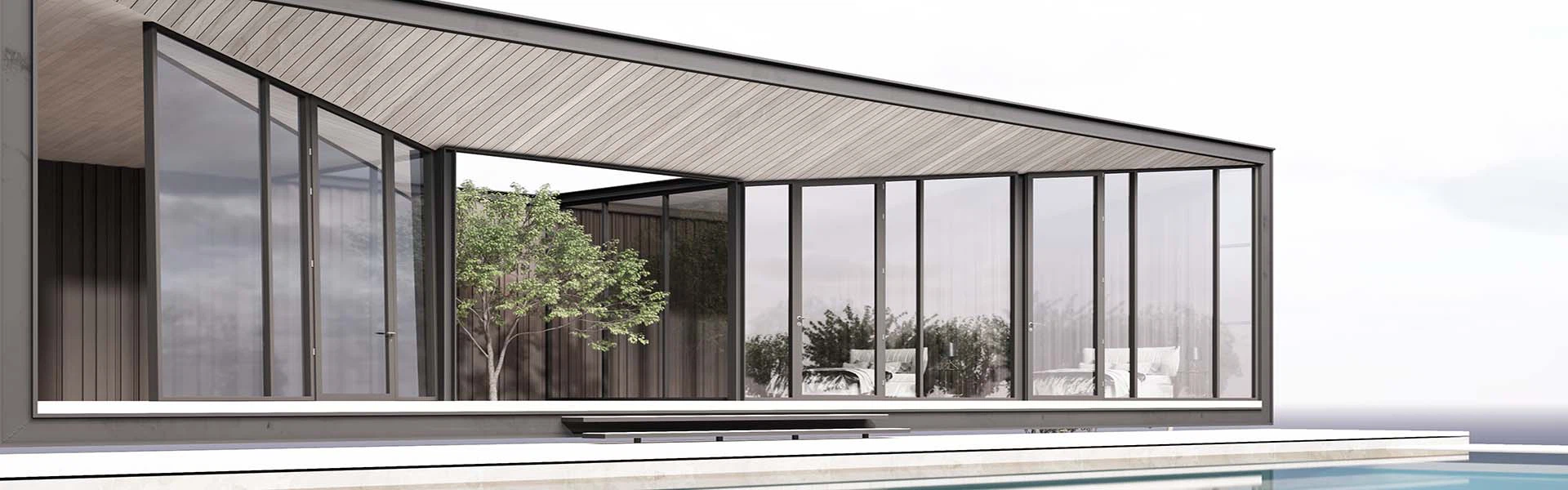
Aluminum Sliding Window
What Is Aluminum Sliding Window
An aluminum sliding window is a type of window made from aluminum frames that open by sliding one sash horizontally along tracks, unlike hinged windows that swing open. This design allows for smooth movement and ease of operation, making it ideal for wide openings where view preservation is desired. Aluminum's inherent strength and durability contribute to the window's longevity and security. Additionally, aluminum sliding windows offer excellent thermal efficiency when properly insulated and sealed, providing energy savings. Their sleek appearance and minimalistic design make them a popular choice for modern architecture and commercial buildings.
Advantages of Aluminum Sliding Window
Durability and strength
Aluminum is a strong and lightweight material, making it an excellent choice for sliding windows. It can withstand heavy impacts and is resistant to dents, scratches, and corrosion. This durability ensures that the window remains in good condition for a longer period, reducing the need for frequent repairs or replacements.
Ease of operation
Sliding windows are designed for smooth and effortless operation. The aluminum material used in their construction ensures smooth gliding action, allowing users to open and close the windows with ease. This convenience is particularly beneficial in day-to-day living, making it easy to ventilate rooms or enjoy outdoor views.
Weather resistance
Aluminum sliding windows are highly resistant to weather extremes, such as heavy rain, strong winds, and extreme temperatures. The tight seals and weather-stripping features prevent air and water infiltration, keeping the interior of the building dry and comfortable.
Ease of maintenance
Aluminum sliding windows are easy to clean and maintain. The smooth surface of aluminum resists dirt and stains, and can be easily wiped down with a damp cloth. Additionally, the material's resistance to corrosion and rust means that it requires minimal maintenance over time.
Aesthetic appeal
Aluminum sliding windows come in a variety of styles, finishes, and sizes, allowing homeowners to choose a design that complements their home's exterior. The sleek and modern appearance of aluminum windows enhances the curb appeal of any property.
Customizability
Aluminum sliding windows can be customized to fit any size and shape of opening, providing flexibility and personalization in window design. Homeowners can choose from a range of configurations, including single- and double-pane options, to meet their specific needs and preferences.
-
![Modern Aluminium Sliding Windows With Grill For Kitchen]() Modern Aluminium Sliding Windows With Grill For KitchenThe H80 series sliding window is a newly upgraded horizontal sliding window solution developed for modern residential and commercial construction projects. Featuring an 80mm wide aluminum profile...read more
Modern Aluminium Sliding Windows With Grill For KitchenThe H80 series sliding window is a newly upgraded horizontal sliding window solution developed for modern residential and commercial construction projects. Featuring an 80mm wide aluminum profile...read more -
![Slim Sliding Window Aluminum System]() Slim Sliding Window Aluminum SystemProducts Overview Imagery extremely narrow frame aluminum sliding window adopts minimalist slim frame design, breaking the limitation of traditional window frames. With ultra-high glass occupancy...read more
Slim Sliding Window Aluminum SystemProducts Overview Imagery extremely narrow frame aluminum sliding window adopts minimalist slim frame design, breaking the limitation of traditional window frames. With ultra-high glass occupancy...read more -
![Aluminum Sliding Windows With Double Glass]() Aluminum Sliding Windows With Double Glass1.Enhanced Thermal Insulation 2.Noise Reduction 3.Energy Efficiency 4.Sleek Modern Designread more
Aluminum Sliding Windows With Double Glass1.Enhanced Thermal Insulation 2.Noise Reduction 3.Energy Efficiency 4.Sleek Modern Designread more -
![Aluminium Sliding Windows Burglar Proof]() Aluminium Sliding Windows Burglar Proof1.New national standard 1.8mm profile 2.Three glass two difference insulating glass standard 5+12A+5+19A+5, K value is lower 3.Flexible foam isobaric adhesive stripread more
Aluminium Sliding Windows Burglar Proof1.New national standard 1.8mm profile 2.Three glass two difference insulating glass standard 5+12A+5+19A+5, K value is lower 3.Flexible foam isobaric adhesive stripread more -
![Aluminum Sliding Window With Screen]() Aluminum Sliding Window With Screen1.New national standard 1.8mm profile 2.Three glass two difference insulating glass standard5+12A+5+19A+5, K value is lower 3.Patented soundproof tapePatented soundproof taperead more
Aluminum Sliding Window With Screen1.New national standard 1.8mm profile 2.Three glass two difference insulating glass standard5+12A+5+19A+5, K value is lower 3.Patented soundproof tapePatented soundproof taperead more -
![Double Glazed Aluminium Sliding Windows]() Double Glazed Aluminium Sliding Windows1.1.8mm Thick Profile Compliant with New National Standard. 2.Enhanced Glass Configuration (5+12A+5+19A+5) for Lower K-Value. 3.Innovative Floor Drainage System.read more
Double Glazed Aluminium Sliding Windows1.1.8mm Thick Profile Compliant with New National Standard. 2.Enhanced Glass Configuration (5+12A+5+19A+5) for Lower K-Value. 3.Innovative Floor Drainage System.read more -
![Horizontal Sliding Aluminium Windows]() Horizontal Sliding Aluminium Windows1.Double or Triple tempered insulating glass 2.Imported or made in China high-end hardware.read more
Horizontal Sliding Aluminium Windows1.Double or Triple tempered insulating glass 2.Imported or made in China high-end hardware.read more -
![Aluminum Horizontal Sliding Windows]() Aluminum Horizontal Sliding Windows1.Aluminum horizontal sliding windows, is durable, durable and excellent quality. 2.Push-pull design is flexible and easy to adjust indoor and outdoor ventilation and lighting. 3.Aluminum alloy...read more
Aluminum Horizontal Sliding Windows1.Aluminum horizontal sliding windows, is durable, durable and excellent quality. 2.Push-pull design is flexible and easy to adjust indoor and outdoor ventilation and lighting. 3.Aluminum alloy...read more -
![Aluminium Sliding Windows With Mosquito Net]()
-
![Aluminum Window Glass Sliding]() Aluminum Window Glass SlidingSimple, large window, wild field of vision,high lighting rare, flexible opening Easy clean,flexible and occupy less space Do not occupy indoor spaceread more
Aluminum Window Glass SlidingSimple, large window, wild field of vision,high lighting rare, flexible opening Easy clean,flexible and occupy less space Do not occupy indoor spaceread more -
![Windows Aluminum Sliding]() Windows Aluminum SlidingThrough the operation of hand control hardware system, to open the fan to achieve horizontal lateral movement, to solve the ordinary sliding door seal and control comfort of the contradiction.read more
Windows Aluminum SlidingThrough the operation of hand control hardware system, to open the fan to achieve horizontal lateral movement, to solve the ordinary sliding door seal and control comfort of the contradiction.read more -
![Aluminium Sliding Window Grill Design]() Aluminium Sliding Window Grill DesignThe internal grilles of the glass cavity can be made in a variety of styles, with various styles.read more
Aluminium Sliding Window Grill DesignThe internal grilles of the glass cavity can be made in a variety of styles, with various styles.read more


Why Choose Us
High quality
Our products are manufactured or executed to a very high standard, using the finest materials and manufacturing processes.
Advanced equipment
A machine, tool or instrument designed with advanced technology and functionality to perform highly specific tasks with greater precision, efficiency and reliability.
Professional team
Our professional team collaborates and communicates effectively with each other, and is dedicated to delivering high quality results. We are capable of handling complex challenges and projects that require our specialized expertise and experience.
Quality control
We have built a professional quality control team to accurately inspect every raw material and every production process.
Customized services
We understand that each customer has unique manufacturing needs. That’s why we offer customization options to cater to your specific requirements.
24H online service
We try and respond to all concerns within 24 hours and our teams are always at your disposal in case of any emergencies.
Types of Aluminum Sliding Window
Single-slider windows
These are the simplest type of aluminum sliding windows, consisting of two sashes that slide horizontally along a track. One sash is fixed in place, while the other slides open to the side. Single-slider windows are easy to operate and are a cost-effective option for basic ventilation and daylighting needs.
Double-slider windows
Double-slider windows consist of two sashes that slide horizontally along a track in opposite directions. This allows for a larger opening, providing better ventilation and views. Double-slider windows are ideal for larger rooms or where more airflow is desired.
Multi-slider windows
Multi-slider windows are a more complex type of aluminum sliding window, consisting of three or more sashes that slide horizontally along a track in different directions. This allows for a customizable opening size, making it ideal for unique architectural designs or where maximum ventilation and daylighting are desired.
Tilt-and-turn windows
Tilt-and-turn windows are a european-style aluminum sliding window that combines the functionality of a hinge window with the ease of a sliding window. These windows can tilt open for ventilating at the top or can be turned open like a door, providing full access to the outside. Tilt-and-turn windows offer excellent ventilation and views, making them a popular choice in modern homes.
Picture windows
Picture windows are large, fixed aluminum sliding windows that do not open. They provide an unobstructed view of the outdoors and maximize natural light. Picture windows are often used as a focal point in a room, adding to the overall aesthetic appeal of the space.
Awning windows
Awning windows are a type of aluminum sliding window that opens outward at the top, allowing for ventilation even when it's raining or windy. They are ideal for overhangs or where limited space is available below the window. Awning windows also offer some shading from direct sunlight, making them a popular choice in hot climates.
Casement windows
Casement windows are a type of aluminum sliding window that opens outward to the side, similar to a door. They are operated by a crank mechanism and are ideal for tight spaces or where ventilation is a priority. Casement windows also offer excellent energy efficiency and can be easily cleaned from the inside.
How to Store Aluminum Sliding Window


Cleanliness
Before storage, make sure the aluminum sliding windows are clean and free from any dirt, debris, or construction materials that may have adhered during transportation or handling. A clean window is less likely to suffer from corrosion or discoloration during storage.
Protective covering
Once clean, apply a protective film or coating to the glass panes to prevent scratches and abrasions. You can also use bubble wrap or soft cloth to cover the entire window frame, ensuring that all surfaces are protected.
Horizontal storage
Store the aluminum sliding windows horizontally. Avoid stacking them vertically as this can cause the frames to become warped or misaligned due to the weight of the stacked units. Place them on a flat and sturdy surface that can support their weight without bowing or collapsing.
Separation
If you need to stack multiple windows, use spacers or blocks between each unit to keep them evenly spaced. This prevents warping and ensures that the sliding mechanism isn’t damaged by excessive pressure.
Organization
Keep the windows organized by size, type, or intended room of installation. Labeling each window can help in maintaining order and ensuring that you can easily locate the correct window when it’s time for installation.
Moisture control
Ensure the storage area is dry and well-ventilated to prevent moisture buildup, which can lead to corrosion or rust on the aluminum parts. If possible, store the windows in a climate-controlled environment to avoid extreme temperature fluctuations.
Protection from direct sunlight
Excessive exposure to direct sunlight can damage the window seals and the protective coatings on the glass. It’s advisable to store the windows out of direct sunlight, possibly in a shaded area or with a covering.
Avoid permanent deformation
Do not place heavy objects on top of the windows or step on them as this can cause permanent deformation or damage to the frame or the glass. Always handle the windows with care, using suitable equipment like hand trucks or forklifts if necessary.
Regular inspection
Periodically inspect the stored windows to ensure they remain in good condition. Check for any signs of deterioration, such as corrosion, scratches, or warping, and take appropriate measures to address any issues.
One of the primary applications of aluminum sliding windows is in residential construction. These windows provide an excellent balance of natural light and fresh air, while maintaining a high level of security and insulation. The smooth sliding mechanism allows for easy opening and closing, making them convenient for daily use. Additionally, aluminum frames are resistant to corrosion and require little maintenance, making them a practical choice for busy households. In commercial buildings, aluminum sliding windows are often used in office spaces, retail stores, and restaurants. Their ability to seamlessly integrate with other building materials and systems makes them a preferred choice for architects and designers. These windows can be customized with a variety of glass types, including insulated glass and low-emissivity (Low-E) coatings, to enhance energy efficiency and reduce heating and cooling costs. Another key application of aluminum sliding windows is in sustainable and eco-friendly construction practices. Aluminum frames can be recycled, reducing the environmental impact of window replacement. Furthermore, when paired with energy-efficient glass, these windows can significantly reduce a building's carbon footprint. Aluminum sliding windows also offer unique design opportunities. Their slim frames allow for expansive views, creating a seamless connection between the interior and exterior of a space. These windows can be integrated into large glass walls or combined with other window types to create dynamic facades and interesting visual effects. In terms of safety and security, aluminum sliding windows are equipped with multi-point locking systems that provide enhanced protection against burglary and weather-related damage. The strength and rigidity of aluminum frames also contribute to the overall structural integrity of a building. Lastly, aluminum sliding windows are highly customizable, offering a wide range of colors, finishes, and hardware options to suit any architectural style or design preference. This flexibility makes them an attractive choice for both new construction and renovation projects.
Precautions When Using Aluminum Sliding Window
Regular maintenance
Regular maintenance is key to ensuring the longevity of your aluminum sliding windows. Clean the window tracks and sills regularly to remove dirt and debris that can cause the window to stick or bind. Lubricate the moving parts of the window, such as the rollers and tracks, with a silicone-based lubricant to ensure smooth operation.
Handle with care
When opening or closing your aluminum sliding windows, handle them with care to avoid damage or injury. Make sure to hold onto the frame or sill rather than the glass, as the glass can break if handled improperly. Avoid slamming the window shut, as this can cause damage to the frame or seal.
Inspection
Regularly inspect your aluminum sliding windows for any signs of wear or damage. Look for cracks, chips, or scratches in the frame or glass, as well as any signs of corrosion or rust. If you notice any damage or wear, address it promptly to prevent further deterioration.
Security
Ensure that your aluminum sliding windows are secure at all times. Lock them when they are closed to prevent unauthorized access. Check the locks regularly to ensure that they are functioning properly. Consider installing additional security measures, such as window guards or sensors, for added protection.
Temperature extremes
Be mindful of temperature extremes when using your aluminum sliding windows. Aluminum can expand and contract in response to changes in temperature, which can cause stress on the window frame and seals. Avoid opening or closing the window when the temperature is extremely hot or cold to prevent damage or injury.
Child safety
If you have young children in your home, take extra precautions to ensure their safety around your aluminum sliding windows. Keep toys and other objects away from the window tracks to prevent tripping hazards. Install window guards or safety locks to prevent children from accidentally opening the window and falling out.
How Do I Choose the Right Aluminum Sliding Window
Material quality
The material quality of the aluminum sliding window is crucial for its durability and longevity. Look for windows made from high-quality aluminum that is resistant to corrosion and rust. Check if the window frames are sturdy and well-constructed, and inquire about the thickness of the aluminum profiles.
Thermal efficiency
Thermal efficiency is an important factor to consider, especially if you live in an area with extreme weather conditions. Windows with thermal breaks can prevent heat transfer between the indoor and outdoor environments, thus reducing energy consumption. Look for windows with good u-values and r-values, which indicate their thermal resistance.
Sound insulation
If you live in a noisy environment, sound insulation may be an important consideration for you. Windows with thicker frames and multiple glass panes can provide better sound insulation. Inquire about the noise reduction rating of the window and choose one that meets your requirements.
Sliding mechanism
The sliding mechanism of the window determines how smoothly it operates. Look for windows with a reliable and easy-to-use sliding mechanism that allows for smooth operation. Consider the weight of the window and ensure that the mechanism is strong enough to support it.
Security features
Security features are important for added peace of mind. Look for windows with locking mechanisms that provide enhanced security. Some windows come with reinforced frames and multipoint locking systems that offer additional protection against burglary and intruders.
Style and design
The style and design of the window should complement the aesthetics of your home. Choose a window style that matches the architectural style of your home and fits well with the overall design theme. Consider the color, finish, and hardware options available to customize the window to your taste.
Energy efficiency
Energy efficiency is an important consideration, especially if you want to reduce your energy bills. Look for windows with energy-efficient glass coatings that reflect heat and reduce energy loss. Windows with low-e coatings and argon gas fillings can provide better energy efficiency.
Production Methods of Aluminum Sliding Window
Design
The first step in the production of aluminum sliding windows is the design phase. During this stage, engineers and designers create detailed drawings and specifications for the window based on customer requirements and building codes. The design takes into account factors such as size, style, glass type, hardware, and thermal efficiency.
01
Material selection
Once the design is complete, the next step is to select the appropriate materials for the window. Aluminum is chosen for its strength, lightweight properties, and resistance to corrosion. High-quality aluminum alloys are typically used in the production of sliding windows to ensure durability and longevity.
02
Fabrication
After selecting the materials, the aluminum is cut, shaped, and machined into the required profiles for the window frames and sashes. This process may involve sawing, milling, drilling, and shaping the aluminum extrusions to create the precise shapes and sizes needed for the window components.
03
Assembly
The fabricated aluminum components are then assembled to form the completed window units. This includes installing the sliding mechanism, hardware, and glass into the frames. The glass is typically sealed into place with silicone or other sealants to prevent air and water infiltration. Hardware such as locks, handles, and hinges are also added at this stage.
04
Quality control
Finally, each window is inspected and tested to ensure it meets the required standards for performance, durability, and safety. Quality control checks may include testing for water tightness, air infiltration, structural integrity, and thermal efficiency. Any defects or issues are addressed before the windows are shipped to the customer.
05
What Are the Components of Aluminum Sliding Window
Frame and sash
The frame is the stationary part of the window that attaches to the building's rough opening. The sash consists of one or more movable panels that slide open and closed within the frame. In a typical aluminum sliding window, there are two sashes, but some designs feature only one fixed sash.
Glass panels
Glass panels are installed within the sashes and frames to allow light to enter the building. Single-pane glass is less common due to its lower energy efficiency; therefore, most modern aluminum sliding windows are equipped with double-glazed or insulated glass units (igus) that provide better insulation and soundproofing.
Sealing gaskets and weatherstripping
To ensure energy efficiency and prevent drafts and moisture penetration, gaskets and weatherstripping are used around the perimeter of the glass panels and between the sashes and frames. These seals compress when the window is closed to create a tight barrier against the elements.
Sliding mechanism
The heart of a sliding window is the mechanism that allows the sashes to glide smoothly along a track. This mechanism often includes rollers or bearings attached to the sash that ride on the track, which can be part of the frame or a separate component.
Hardware
Hardware includes various fittings and accessories that enhance the functionality and security of the window. Common hardware items include handles or knobs for opening and closing the sash, locking mechanisms to secure the window when closed, and stays or balances to support the weight of the sash when open.
Screen
An insect screen is usually fitted into a slot or frame on the exterior of the window to keep out flies, mosquitoes, and other pests while allowing air circulation. The screen is made of mesh materials like aluminum, fiberglass, or synthetic fabrics and is easily removable for cleaning.
Trim
Trim pieces are installed around the exterior of the window to cover gaps between the window frame and the rough opening, providing a finished appearance and protecting the edges from water damage.
Insulation and spacers
Between the panes of glass in igus, a spacer system maintains the distance and provides support. Modern spacers are made of materials like stainless steel or warm-edge technology that reduce heat transfer and contribute to better thermal efficiency.
How Do Aluminum Sliding Windows Work?
The working principle of an aluminum sliding window involves the use of a track system, which guides the sliding sashes. Typically, there are two sashes in a sliding window setup – one fixed and the other that slides open. The sliding sash moves along a vertical or horizontal track, depending on the design of the window. When the window is closed, the two sashes come together to form a tight seal, thanks to weatherstripping and gaskets that are integrated into the design. These seals prevent air and water infiltration, thus enhancing the insulation properties of the window. The tight seal also contributes to the overall soundproofing of the room, reducing outside noise interference. To open the window, a person grasps the handle or knob attached to the moving sash and applies force to overcome the friction between the sash and the track. As the sash moves along the track, rollers or wheels, located within the sash, reduce the friction and allow for smoother movement. These rollers are securely attached to the sash and ride along the length of the track. Once the sash is moved to the desired open position, it can rest against stops or limiters that prevent it from being fully removed from the window frame. This allows for ventilation while maintaining security. Some aluminum sliding windows have a lock or latch that can be engaged to hold the sash in place, preventing it from sliding closed accidentally. The hardware components, such as the handle, lock, and rollers, are designed for durability and ease of use. They are typically made from high-quality materials that can withstand the elements and resist wear and tear. The design of the window hardware ensures that the window remains operational for many years, even under frequent use. In terms of energy efficiency, aluminum sliding windows can be fitted with double-glazed or triple-glazed glass units, which provide superior insulation compared to single-glazed units. The space between the glass panes is filled with inert gases that have a low conductivity rate, further enhancing the thermal performance of the window.
Can Aluminum Sliding Windows Be Installed on Different Types of Structures?
Aluminum sliding windows are a popular choice for both residential and commercial buildings due to their durability, energy efficiency, and sleek appearance. These windows can be installed on different types of structures, making them a versatile option for a wide range of applications. Aluminum frames are inherently strong and lightweight, allowing these windows to be installed on different types of structures without compromising the building's integrity. They can withstand various weather conditions, including high winds and heavy rains, making them suitable for installation in coastal areas or regions prone to severe weather. Moreover, aluminum sliding windows can be easily integrated into structures with different wall thicknesses and materials. They can be installed on masonry walls, wood-framed walls, and even metal structures. The versatility of aluminum frames ensures a secure and robust installation on any type of structure. Energy efficiency is another critical factor to consider when installing windows on different types of structures. Aluminum sliding windows can be designed with thermal breaks and Low-E coatings to improve insulation and reduce energy consumption.Furthermore, aluminum sliding windows offer a wide range of customization options, allowing them to be tailored to meet specific structural requirements. Window sizes, configurations, and hardware can be adjusted to fit unique openings and accommodate special features like insect screens or blinds.
Our factory
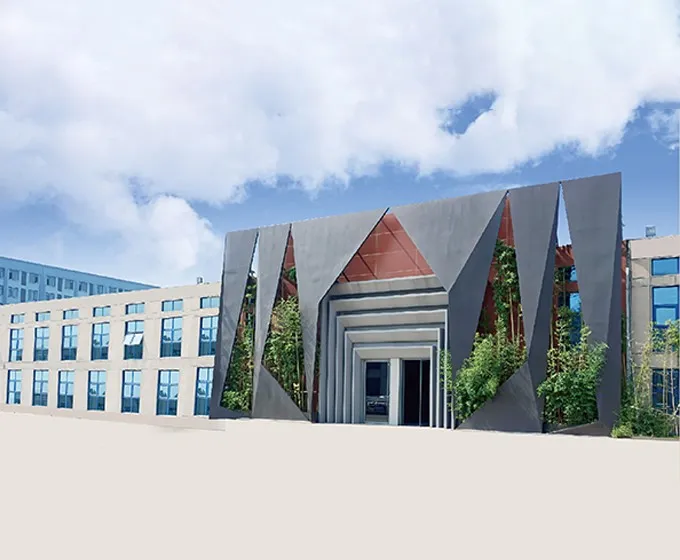
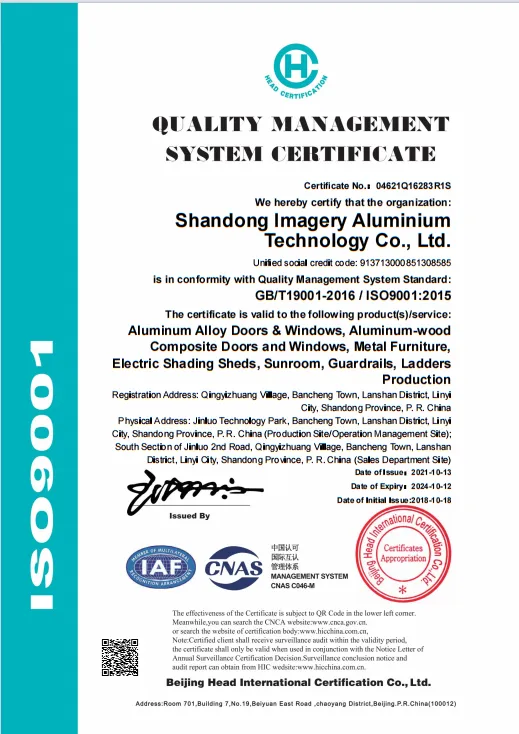
Shandong Imagery Aluminum Technology Co., LTD. has been established in 2013 and had a registered capital of RMB 30 million yuan, which is one of the China's largest manufacturers of windows and doors, with the total high-quality windows and doors,curtain walls sales volume of 600,000 square meters per year. Shandong Imagery Aluminum Technology Co., LTD is affiliated to Shandong Jinxiang Aluminum Group ,which has been founded in 1999 and had a registered capital of RMB 160 million yuan.
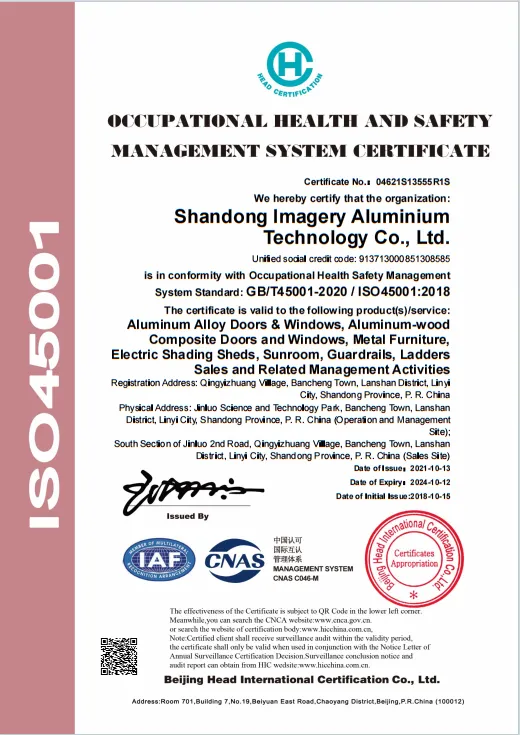
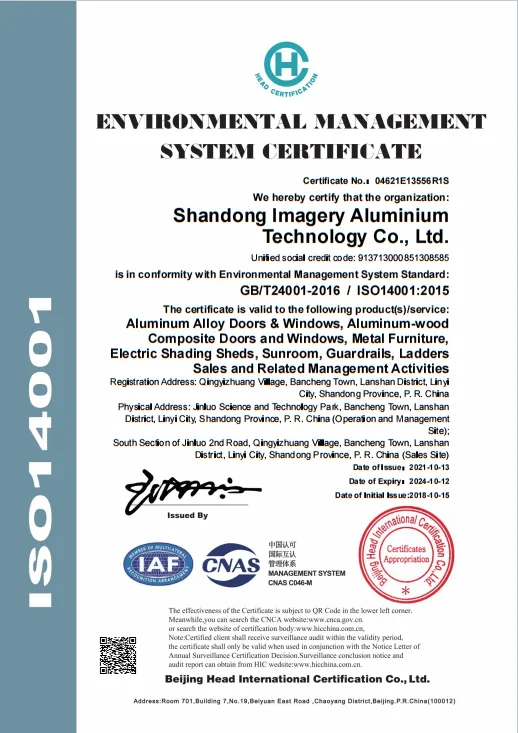
Certificate
FAQ
We're well-known as one of the leading aluminum sliding window manufacturers in China. Please feel free to wholesale discount aluminum sliding window made in China here and get free sample from our factory. Also, customized service is available.
Aluminium Sliding Window Grill Design, Windows Aluminum Sliding, Aluminum Sliding Window