

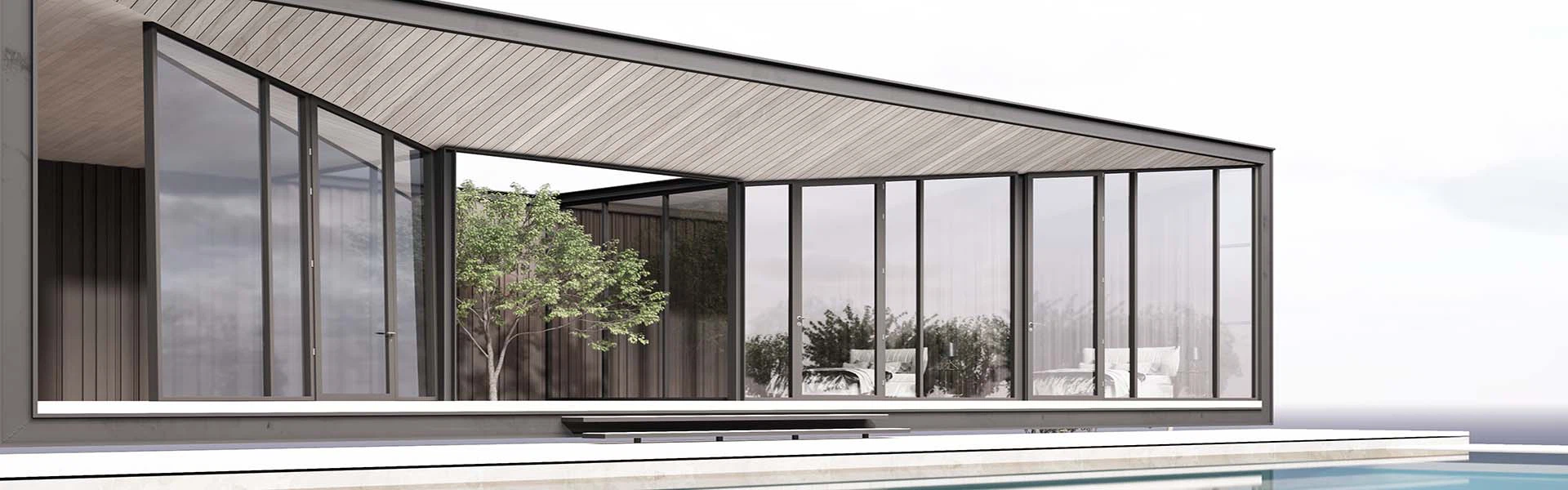
Aluminum Railing
What Is Aluminum Railing
Aluminum railing is a type of rail commonly used in residential and commercial settings due to its durability and lightweight nature. Made of aluminum, this type of railing offers resistance to corrosion, making it suitable for various environments. Aluminum railings come in a range of styles and designs, allowing for customization according to individual needs and preferences. They are easy to install, maintain and clean, offering both safety and aesthetic appeal. Whether used on a deck, balcony, or staircase, aluminum railing is a popular choice due to its functionality and versatility.
Advantages of Aluminum Railing
Durability
Aluminum is a highly durable material, resistant to corrosion, rust, and other forms of deterioration. It can withstand harsh weather conditions, making it an excellent choice for outdoor applications such as decks, balconies, and staircases.
Lightweight
Aluminum railings are lightweight, making them easy to install and handle. This also reduces the load on supporting structures, making it suitable for both new and retrofit applications.
Strength
Aluminum railings are designed to be structurally sound, offering excellent tensile and compressive strength. They are sturdy and can support heavy loads without sagging or bending.
Aesthetics
Aluminum railings have a sleek and modern appearance that complements a variety of architectural styles. They can be powder-coated in a range of colors to match the décor of your home or business.
Easy maintenance
Aluminum railings require minimal maintenance, making them a low-maintenance option. They do not require painting or staining and can be easily cleaned with soap and water.
Versatility
Aluminum railings are available in various styles, designs, and finishes, allowing for customization to meet your specific needs and preferences. They can be designed with posts, rails, and panels to create a unique and functional railing system.
-
![Secure Flex Aluminum Balustrade]() Secure Flex Aluminum Balustrade1.Durable Material. 2.Flexible Installation. 3.Safety - First Structure.read more
Secure Flex Aluminum Balustrade1.Durable Material. 2.Flexible Installation. 3.Safety - First Structure.read more -
![Aluminium Railings For Balcony]() Aluminium Railings For Balcony1.Aluminum railings Raw materials aluminum can be selected: square, round, oval and so on. 2.The overall appearance of the railing can be made into vertical bar shape, horizontal bar shape, wavy...read more
Aluminium Railings For Balcony1.Aluminum railings Raw materials aluminum can be selected: square, round, oval and so on. 2.The overall appearance of the railing can be made into vertical bar shape, horizontal bar shape, wavy...read more -
![Residential Aluminum Railings]() Residential Aluminum Railings1.Versatile Aluminum Railing Materials 2.Aesthetic Railing Designs. 3.Durability Beyond Compare.read more
Residential Aluminum Railings1.Versatile Aluminum Railing Materials 2.Aesthetic Railing Designs. 3.Durability Beyond Compare.read more -
![Aluminum Stair Glass Railing]() Aluminum Stair Glass Railing1.Glass railing transparent and beautiful, enhance the overall style of the home. 2.Durable, safe and reliable, guarding the family every step of the way. 3.Easy to clean and maintain, and...read more
Aluminum Stair Glass Railing1.Glass railing transparent and beautiful, enhance the overall style of the home. 2.Durable, safe and reliable, guarding the family every step of the way. 3.Easy to clean and maintain, and...read more -
![Aluminium Glass Balcony Railing]() Aluminium Glass Balcony Railing1.Durable, safe and reliable. 2.Wide vision, beautiful and generous. 3.Easy to clean and maintain.read more
Aluminium Glass Balcony Railing1.Durable, safe and reliable. 2.Wide vision, beautiful and generous. 3.Easy to clean and maintain.read more -
![Exterior Balcony Railing Design]() Exterior Balcony Railing DesignProducts Description Our aluminum balcony railing is a perfect addition to any modern and stylish home. Made from high-quality aluminum alloy, it boasts exceptional durability and resistance to...read more
Exterior Balcony Railing DesignProducts Description Our aluminum balcony railing is a perfect addition to any modern and stylish home. Made from high-quality aluminum alloy, it boasts exceptional durability and resistance to...read more -
![Aluminum Handrail Design]() Aluminum Handrail DesignProduct Name:Aluminum handrail design Profile:High quality aluminum alloy material Color:Colors can be customized Glass:5mm Hardware:Domesticread more
Aluminum Handrail DesignProduct Name:Aluminum handrail design Profile:High quality aluminum alloy material Color:Colors can be customized Glass:5mm Hardware:Domesticread more -
![Aluminum Railings for Front Steps]() Aluminum Railings for Front StepsAluminum alloy guardrail light weight, its weight is only one third of iron, steel, copper, but the hardness is several times of them, light weight aluminum alloy guardrail, not only easy to handle,read more
Aluminum Railings for Front StepsAluminum alloy guardrail light weight, its weight is only one third of iron, steel, copper, but the hardness is several times of them, light weight aluminum alloy guardrail, not only easy to handle,read more -
![Aluminum Stair Railing Indoor]() Aluminum Stair Railing IndoorAluminum stair railing indoor handrail 3.0mm and column 2.5mm are made of aluminum stair railing. The natural surface oxidation resistance ensures that aluminum stair railing will never rust.read more
Aluminum Stair Railing IndoorAluminum stair railing indoor handrail 3.0mm and column 2.5mm are made of aluminum stair railing. The natural surface oxidation resistance ensures that aluminum stair railing will never rust.read more -
![Aluminum Glass Railing for Balcony]() Aluminum Glass Railing for BalconyBalcony aluminum alloy glass railing is a kind of beautiful and practical protective equipment, which is suitable for all kinds of residential and public buildings.read more
Aluminum Glass Railing for BalconyBalcony aluminum alloy glass railing is a kind of beautiful and practical protective equipment, which is suitable for all kinds of residential and public buildings.read more -
![Aluminium Glass Railing U Channel]() Aluminium Glass Railing U Channel1. Corrosion resistance 2. Easy to install and maintain 3. Go green 4. Good glass fixing performanceread more
Aluminium Glass Railing U Channel1. Corrosion resistance 2. Easy to install and maintain 3. Go green 4. Good glass fixing performanceread more


Why Choose Us
High quality
Our products are manufactured or executed to a very high standard, using the finest materials and manufacturing processes.
Advanced equipment
A machine, tool or instrument designed with advanced technology and functionality to perform highly specific tasks with greater precision, efficiency and reliability.
Professional team
Our professional team collaborates and communicates effectively with each other, and is dedicated to delivering high quality results. We are capable of handling complex challenges and projects that require our specialized expertise and experience.
Quality control
We have built a professional quality control team to accurately inspect every raw material and every production process.
Customized services
We understand that each customer has unique manufacturing needs. That’s why we offer customization options to cater to your specific requirements.
24H online service
We try and respond to all concerns within 24 hours and our teams are always at your disposal in case of any emergencies.
How to Store Aluminum Railing
Lay flat for long-term storage
When storing aluminum railing long-term, it's best to lay it flat to prevent warping and bending. The railing should be placed on a flat and level surface, such as plywood or cardboard, to prevent it from touching the ground directly. It's also important to avoid stacking heavy objects on top of the railing to prevent damage.
Organize components
If the aluminum railing comes in multiple components, it's important to organize them properly to prevent confusion and loss. Each component should be labeled clearly with its name and purpose, and they should be stored together in one area. This will make it easier to locate and assemble the railing when needed.
Protect against dents and scratches
To prevent dents and scratches, it's important to cover the aluminum railing with a protective layer. A tarp or sheet of plastic can be placed over the railing to protect it from debris, dust, and moisture. The covering should be securely fastened to the railing to prevent wind from blowing it away.
Inspect regularly
Regular inspections of the stored aluminum railing are important to catch any signs of damage or corrosion early. Check for dents, scratches, and other forms of physical damage, as well as any signs of rust or corrosion. If any damage is found, it should be addressed immediately to prevent further damage.
Keep separate from other materials
It's important to keep aluminum railing separate from other materials, especially those that could cause damage or corrosion. Metals such as steel, iron, and copper can react with aluminum and cause corrosion. Storing the railing away from these materials will help prevent damage and extend its lifespan.
Application of Aluminum Railing
Balconies and decks
Aluminum railing is commonly used on balconies and decks to provide safety and security while adding a sleek and modern look to the space. Aluminum railing is easy to install and can be customized to fit any size or shape balcony or deck. It is also resistant to rust and corrosion, making it ideal for outdoor use.
Stairs
Aluminum railing is often used on stairs to provide a safe and secure handrail. It is lightweight yet sturdy and can be easily customized to fit any staircase. Aluminum railing is also resistant to fading and chipping, ensuring it maintains its original appearance for years to come.
Commercial buildings
Aluminum railing is commonly used in commercial buildings such as office buildings, hotels, and hospitals. It provides a safe and secure barrier while adding a modern and sleek appearance to the space. Aluminum railing is also easy to clean and maintain, making it ideal for high-traffic areas.
Outdoor events
Aluminum railing is often used at outdoor events such as concerts and sporting events to provide crowd control and safety barriers. It is lightweight yet sturdy and can be easily transported and set up. Aluminum railing is also resistant to weather and can withstand heavy use.
Marine applications
Aluminum railing is commonly used in marine applications such as boats, docks, and piers. It is resistant to saltwater corrosion and can withstand harsh marine environments. Aluminum railing is also customizable and can be designed to meet specific safety requirements.
Wheelchair ramps
Aluminum railing can be used to create wheelchair ramps, providing a safe and secure handrail for people with disabilities. It is lightweight yet sturdy and can be easily customized to fit any ramp size or shape. Aluminum railing is also resistant to fading and chipping, ensuring it maintains its original appearance for years to come.
Precautions When Using Aluminum Railing
Safety
Always ensure that aluminum railing is installed safely and meets local building codes and regulations. Check that the railing meets minimum height requirements and that there are no sharp edges or protruding screws that could pose a risk. Regularly inspect the railing for any signs of damage or wear and make necessary repairs promptly.
01
Weather considerations
Aluminum railing can withstand various weather conditions, but it is important to take precautions during extreme weather events. Protect the railing from direct sunlight, extreme heat, or cold temperatures that could cause warping or damage. In areas with heavy snowfall, ensure that the railing is sturdy enough to support the weight of accumulated snow.
02
Maintenance
Regular maintenance is key to prolonging the lifespan of aluminum railing. Clean the railing regularly using mild soap and water, avoiding harsh chemicals that could damage the finish. Inspect the railing for any signs of corrosion, rust, or loose parts and address them promptly. Painting or applying protective coatings can help prevent damage from uv rays and moisture.
03
Load capacity
Be aware of the load capacity of the aluminum railing and ensure that it is capable of supporting the intended use. Overloading the railing can cause instability or even collapse, resulting in safety hazards. Never exceed the recommended weight limit for the railings and ensure that they are appropriately anchored to the structure.
04
Storage and handling
When storing aluminum railing components, ensure that they are kept in a dry and protected area to prevent damage. Handle the materials with care to avoid bending or scratching the surface. Use appropriate lifting equipment if necessary and follow safety guidelines to prevent accidents or injuries.
05
How Do I Choose the Right Aluminum Railing

Material
Aluminum is a popular choice for railings due to its durability, low maintenance, and resistance to rust and corrosion. When selecting aluminum railing, be sure to choose a high-quality material that meets industry standards for strength and safety.
Style
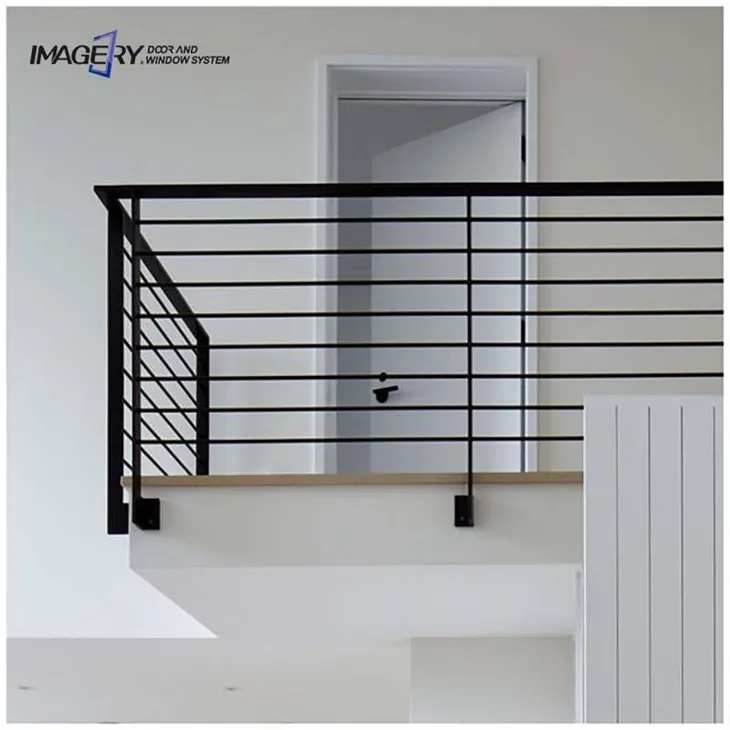
Aluminum railings come in a wide range of styles, from traditional to contemporary. Consider the architectural style of your home or business and choose a railing that complements your building's design. You should also consider the height and width of the railing to ensure it meets local building codes and regulations.
Installation
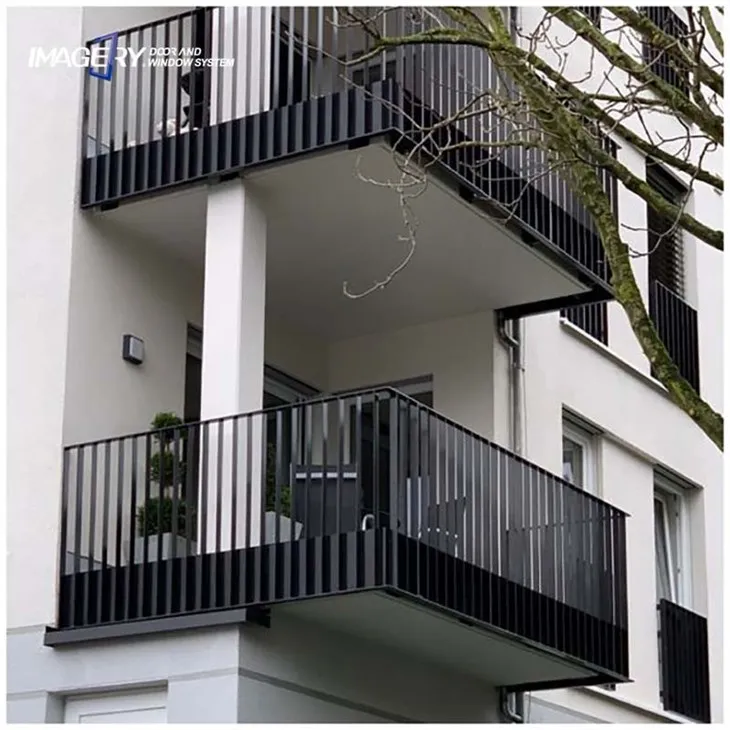
Consider the ease of installation when choosing aluminum railing. Some systems require professional installation, while others can be easily installed by DIYers. Be sure to choose a system that meets your skill level and schedule.

Maintenance
While aluminum railings are low maintenance, they still require some upkeep to maintain their appearance and functionality. Consider the maintenance requirements of the railing, such as cleaning and painting, and choose a system that is easy to maintain.
Production Methods of Aluminum Railing
Extrusion
Extrusion is the most commonly used production method for aluminum railing. In this process, aluminum billets are heated to a high temperature and then forced through a die to create the desired shape and profile of the railing. The extruded aluminum railing is then cooled and cut to length. This process allows for high precision and consistency in the manufacturing of the railing, resulting in a strong and durable product.
Welding
Welding is another production method used to manufacture aluminum railing. In this process, aluminum pieces are cut to size and then welded together to create the desired shape and profile of the railing. Welding allows for greater flexibility and creativity in the design of the railing, but it can also result in weaker joints and a less consistent finish.
Forging
Forging is a less common production method used to manufacture aluminum railing. In this process, a solid piece of aluminum is heated to a high temperature and then shaped using hammers and other tools to create the desired shape and profile of the railing. Forging results in a stronger and more durable railing than either extrusion or welding, but it can also be more expensive and time-consuming.
Casting
Casting is another production method used to manufacture aluminum railing. In this process, a mold is created using a pattern, and then liquid aluminum is poured into the mold to create the desired shape and profile of the railing. Casting allows for complex shapes and designs, but it can also result in weaker and less consistent railing than other production methods.

Aluminum railing is a popular choice for both residential and commercial properties due to its durability, strength, and aesthetic appeal. The primary material used in aluminum railing systems is, of course, aluminum, but there are several other components that contribute to the overall composition and functionality of the railing. The backbone of aluminum railing is made from aluminum, a lightweight metal known for its corrosion resistance and strength-to-weight ratio. Aluminum is an excellent choice for railing because it can withstand various weather conditions without rusting or corroding. Additionally, aluminum is easy to work with, making it possible to create custom designs and styles for railing systems. In some high-end aluminum railing systems, glass infills panels are used instead of traditional metal or cable infills. Glass panels add a sleek, modern look to the railing while providing an unobstructed view. The glass is typically made from tempered or laminated safety glass to ensure it is strong and safe.
What Are the Components of Aluminum Railing?
Posts
The vertical supports of the railing system, posts are typically made from extruded aluminum profiles designed for strength and stability. They are available in various shapes and sizes to match different design preferences and can be powder-coated to add color and further enhance corrosion resistance.
Top rail
This is the horizontal component that runs along the top of the railing. It serves both a practical purpose, providing a comfortable handhold, and an aesthetic one, contributing to the railing's overall design. Top rails can be straight or contoured, and they may have a smooth or textured finish.
Pickets
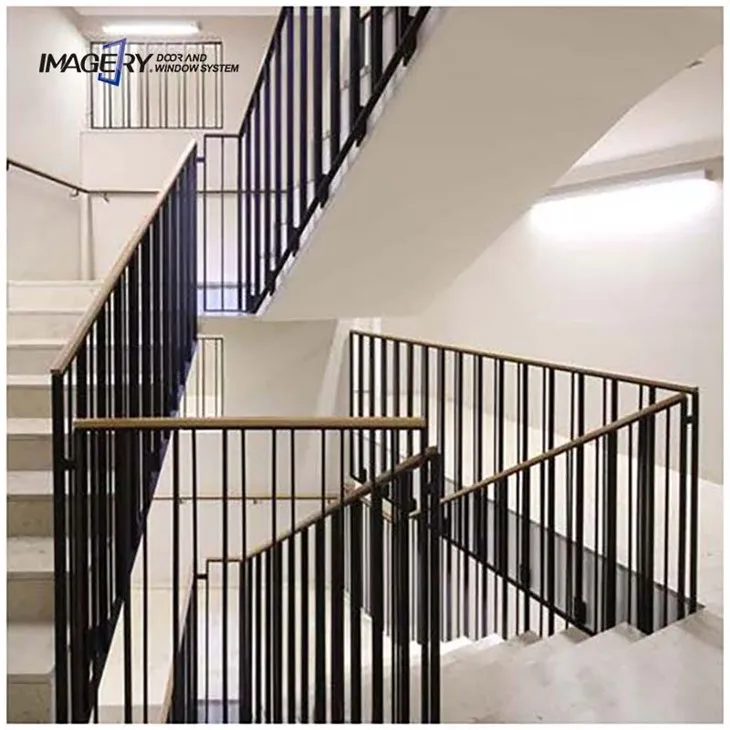
These are the vertical bars that separate the spaces between the top rail and the bottom rail (if present). Their primary function is to prevent falls while also adding an attractive design element. Balusters can be solid or open, and they come in various styles, such as square, round, or decorative patterns.
Bottom rail or foot rail
An optional component, the bottom rail extends along the bottom of the railing, parallel to the top rail. It provides an additional place to rest one’s hands or arms and adds to the comfort of the railing system. Like the top rail, it can be designed with a variety of finishes and styles.
Handrail
In some designs, a handrail is added alongside the balusters. This provides an extra level of support and can be particularly useful in areas with high traffic or where safety is a concern. Handrails are often designed to complement the top rail and can be customized in terms of size, shape, and material.
Fittings and fasteners
These are the hardware components that hold the railing system together. This includes screws, bolts, connectors, and brackets designed specifically for aluminum. Quality fittings and fasteners are essential for ensuring the longevity and security of the railing.
Finials and decorative elements
For those seeking a more ornate or custom look, finials can be added to the top of the posts or to the end of the handrail. Additionally, other decorative elements like caps, covers, or accents might be incorporated to personalize the railing and match architectural styles.
Are Aluminum Railings Safe?
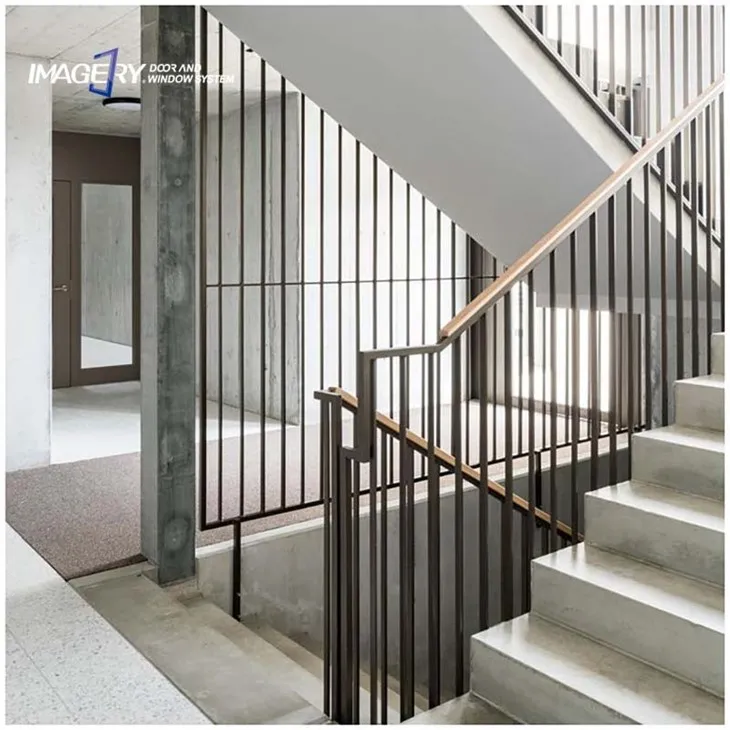
Aluminum railings have become increasingly popular due to their durability, lightweight nature, and aesthetic appeal. When properly designed, installed, and maintained, aluminum railings can provide a safe and secure barrier for stairs, balconies, and decks. Railings are subject to strict building codes and safety regulations that dictate the height, spacing, and strength of the railing system. Aluminum railings must comply with these standards to ensure safety. The design of the railing should include a top rail of sufficient height, balusters or pickets spaced no more than 4 inches apart, and a mid-rail if the height exceeds 30 inches. Proper installation is crucial for the safety of aluminum railings. The railing system should be securely attached to the deck or structure using appropriate fasteners and connectors. Improper installation can result in loose railings or parts that can give way under pressure, posing a risk of injury. It's recommended to hire a qualified contractor or installer with experience in installing aluminum railings. Regular maintenance is essential to ensure the longevity and safety of aluminum railings. This includes cleaning the railing to prevent dirt and debris buildup, inspecting the system for loose parts or damage, and repairing any issues promptly. Neglecting maintenance can lead to weakened structural integrity and increased risk of accidents. The load capacity of the aluminum railing system should be considered, especially in areas with high foot traffic or where railings may be subjected to additional stress, such as near swimming pools or on stairs. The railing system should be capable of supporting the anticipated load without deformation or failure.
Can Aluminum Railings Be Used for Rooftop Applications?
Aluminum railings are an excellent choice for rooftop applications due to their durability, lightweight nature, and resistance to corrosion. These properties make them ideal for withstanding the harsh elements that rooftops are exposed to, including UV radiation, extreme temperatures, and precipitation. One of the significant advantages of aluminum railings is their lightweight nature. This makes them easier to handle and install on rooftops, which can be challenging to access due to limited space and steep angles. The lightweight nature of aluminum also reduces the load on the rooftop structure, minimizing the risk of structural damage. Aluminum railings offer a sleek and modern appearance that complements the aesthetics of most buildings. They come in various styles, colors, and finishes, allowing architects and designers to create a cohesive and visually appealing design for the rooftop. The ability to customize the appearance of aluminum railings makes them versatile and suitable for a wide range of architectural styles. Rooftop railings are essential for preventing falls and ensuring the safety of occupants. Aluminum railings meet the required safety standards for height, strength, and spacing between balusters or pickets. They provide a secure barrier that minimizes the risk of accidents and injuries on the rooftop. Aluminum railings require minimal maintenance compared to other materials like wood or steel. They do not need to be stained, painted, or treated regularly to maintain their appearance or structural integrity. Regular cleaning with soap and water is usually sufficient to remove dirt and debris buildup.
Our factory
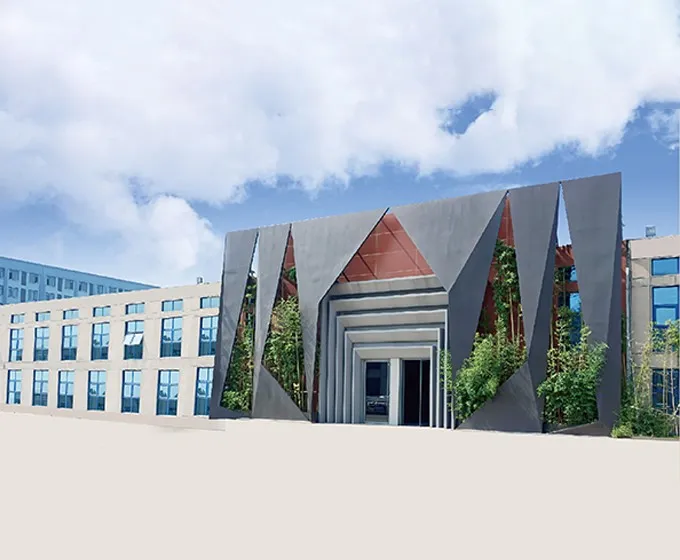
Shandong Imagery Aluminum Technology Co., LTD. has been established in 2013 and had a registered capital of RMB 30 million yuan, which is one of the China's largest manufacturers of windows and doors, with the total high-quality windows and doors,curtain walls sales volume of 600,000 square meters per year. Shandong Imagery Aluminum Technology Co., LTD is affiliated to Shandong Jinxiang Aluminum Group ,which has been founded in 1999 and had a registered capital of RMB 160 million yuan.
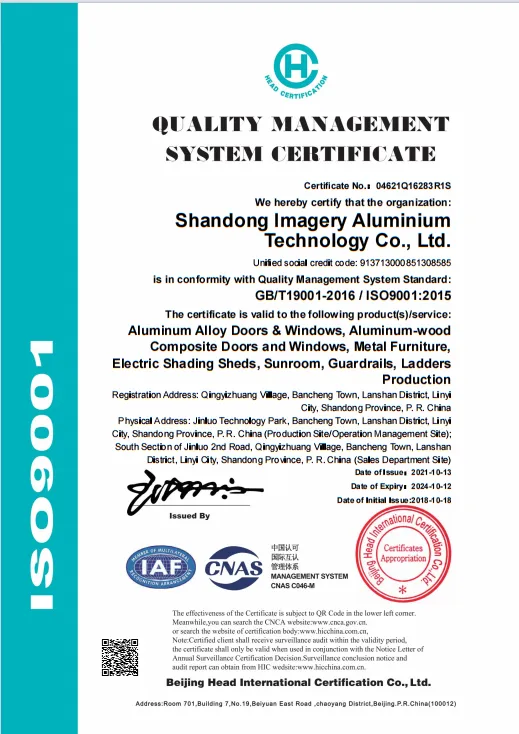
Certificate
FAQ
We're well-known as one of the leading aluminum railing manufacturers in China. Please feel free to wholesale discount aluminum railing made in China here and get free sample from our factory. Also, customized service is available.
Aluminum Handrail Design, Aluminium Glass Railing U Channel, Aluminum Railings for Front Steps