

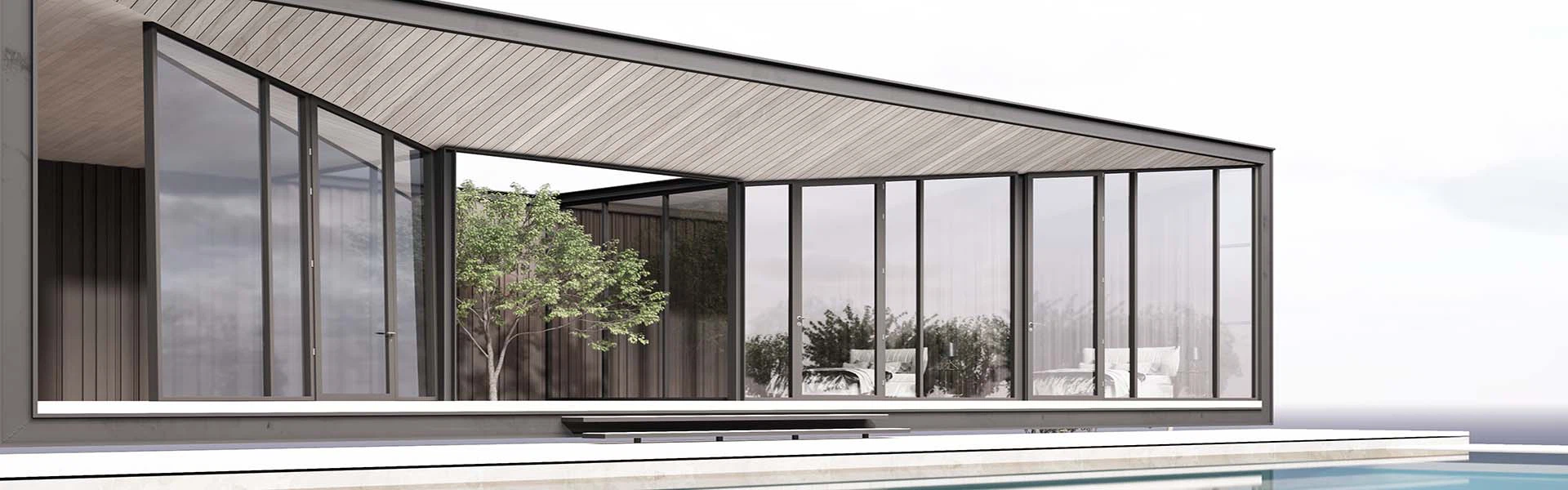
Door
What Is Door
A door is a barrier that can be closed and opened to allow access to different physical spaces. It is a fundamental component of buildings and rooms, providing security, privacy, and protection from the elements. Doors come in various materials, shapes, and sizes, ranging from simple wooden doors to complex automatic sliding doors found in modern buildings. They can be manually operated or automatically activated through sensors or remote control systems. Doors play an essential role in controlling the flow of people, animals, and objects in and out of a space, and they are often complemented by additional security measures such as locks, keys, and alarms.
Advantages of Door
Security
Doors provide a secure barrier between the inside and outside of a building, protecting against unauthorized access. They can be locked or bolted to further enhance security, keeping out intruders or unauthorized individuals. Doors also prevent the spread of fire or smoke, providing a vital safety function.
Privacy
Doors allow individuals to create private spaces within a building. Whether it's a home, office, or other type of space, doors can be closed to maintain privacy and provide a sense of personal space.
Sound proofing
Doors help reduce sound transmission between spaces. They can help block out noise from adjacent rooms, hallways, or outside sources, creating a more peaceful and quiet environment.
Temperature control
Doors help regulate the temperature of the spaces they protect by keeping heat in during cold weather and keeping heat out during hot weather. They can be installed with insulating materials to enhance their temperature control abilities.
Aesthetic appeal
Doors can add aesthetic value to a building or structure, enhancing its overall appearance. They come in various styles, finishes, and designs, allowing for customization and personalization based on individual tastes and preferences.
Durability
Well-made doors are sturdy and durable, able to withstand the wear and tear of regular use and exposure to the elements. They can last for many years, providing long-term value and reliability.
-
![128 Series Modern Corner Sliding Glass Doors System Aluminum]() 128 Series Modern Corner Sliding Glass Doors System Aluminum128 Series Wood Grain L-shaped Corner Aluminum Sliding Door Our 128 Series Wood Grain L-shaped Corner Aluminum Alloy Sliding Door is a customized space-saving door solution designed for corner...read more
128 Series Modern Corner Sliding Glass Doors System Aluminum128 Series Wood Grain L-shaped Corner Aluminum Sliding Door Our 128 Series Wood Grain L-shaped Corner Aluminum Alloy Sliding Door is a customized space-saving door solution designed for corner...read more -
![French Doors Aluminum For Houses]() French Doors Aluminum For HousesAluminum alloy casement doors are a type of door whose main frame material is aluminum alloy. They are connected to the door frame through hinges and can be opened either inward or outward. They...read more
French Doors Aluminum For HousesAluminum alloy casement doors are a type of door whose main frame material is aluminum alloy. They are connected to the door frame through hinges and can be opened either inward or outward. They...read more -
![Aluminium Tilt &Turn Doors For House]() Aluminium Tilt &Turn Doors For House1.Good ventilation performance 2.High securit 3.Easy to clean 4.Strong sealing, insulation and soundproofing properties 5.Flexible use of spaceread more
Aluminium Tilt &Turn Doors For House1.Good ventilation performance 2.High securit 3.Easy to clean 4.Strong sealing, insulation and soundproofing properties 5.Flexible use of spaceread more -
![Extremely Narrow Frame Aluminium Casement Doors]() Extremely Narrow Frame Aluminium Casement DoorsThe overall design is simple and elegant, with smooth lines. There are no excessive complex decorations. The combination of narrow frame and invisible hinges, etc., creates an "unframed" visual...read more
Extremely Narrow Frame Aluminium Casement DoorsThe overall design is simple and elegant, with smooth lines. There are no excessive complex decorations. The combination of narrow frame and invisible hinges, etc., creates an "unframed" visual...read more -
![Wholesale Price Heavy Lifting Aluminum Sliding Glass Doors System]() Wholesale Price Heavy Lifting Aluminum Sliding Glass Door...1.Main material wall thickness 3.5mm, can do large opening 2.Imported heavy lifting hardware system, can be opened 3.Frame-wrapped cavity structure, better sealing perfor mance 4.A variety...read more
Wholesale Price Heavy Lifting Aluminum Sliding Glass Door...1.Main material wall thickness 3.5mm, can do large opening 2.Imported heavy lifting hardware system, can be opened 3.Frame-wrapped cavity structure, better sealing perfor mance 4.A variety...read more -
![Metal Aluminum Folding Glass Patio Door For Balcony]() Metal Aluminum Folding Glass Patio Door For Balcony1.Profile series:Non-thermal break:35 series、40 series、45 series、63 series、85 series Thermal break:68 series、75 series、80 series 2.Glass Configuration:Single glass;Double or Triple tempered...read more
Metal Aluminum Folding Glass Patio Door For Balcony1.Profile series:Non-thermal break:35 series、40 series、45 series、63 series、85 series Thermal break:68 series、75 series、80 series 2.Glass Configuration:Single glass;Double or Triple tempered...read more -
![Custom Indoor Aluminum Casement Door With Screen]() Custom Indoor Aluminum Casement Door With Screen1.High quality aluminum profiles are used 2.A variety of different glass configurations 3.Can be matched with different screen doorsread more
Custom Indoor Aluminum Casement Door With Screen1.High quality aluminum profiles are used 2.A variety of different glass configurations 3.Can be matched with different screen doorsread more -
![UltraSlim Aluminum Flush Door]() UltraSlim Aluminum Flush Door1.Sleek Aesthetic Appeal. 2.Exceptional Durability. 3.Smooth Operation.read more
UltraSlim Aluminum Flush Door1.Sleek Aesthetic Appeal. 2.Exceptional Durability. 3.Smooth Operation.read more -
![Customizable Aluminum Folding Glass Door]() Customizable Aluminum Folding Glass Door1.High-Performance Glass Configuration 2.Premium Automotive-Grade Rubber Strip 3.Flexible Opening Combinationsread more
Customizable Aluminum Folding Glass Door1.High-Performance Glass Configuration 2.Premium Automotive-Grade Rubber Strip 3.Flexible Opening Combinationsread more -
![Wholesale Sliding Glass Doors System Aluminum]() Wholesale Sliding Glass Doors System Aluminum1.Wall thickness: windows 1.4mm / doors 2.0mm; Frame width: 72mm, capable of three-track design. 2.Glass: available in 5+12A+5 or 6+12A+6 double glazing. 3.Aluminum alloy is conventionally...read more
Wholesale Sliding Glass Doors System Aluminum1.Wall thickness: windows 1.4mm / doors 2.0mm; Frame width: 72mm, capable of three-track design. 2.Glass: available in 5+12A+5 or 6+12A+6 double glazing. 3.Aluminum alloy is conventionally...read more -
![Space-Expanding Aluminum Folding Door]() Space-Expanding Aluminum Folding Door1.Equipped with a standard 5+12A+5+12A+5 glass 2. Haida automotive-grade EPDM rubber strips 3.Designed with multiple opening combinationsread more
Space-Expanding Aluminum Folding Door1.Equipped with a standard 5+12A+5+12A+5 glass 2. Haida automotive-grade EPDM rubber strips 3.Designed with multiple opening combinationsread more -
![Aluminum Alloy Panorama Sliding Door]() Aluminum Alloy Panorama Sliding Door1.Large Panel Size Capability 2.Electric Sliding Option 3.Ultra-Slim Aestheticread more
Aluminum Alloy Panorama Sliding Door1.Large Panel Size Capability 2.Electric Sliding Option 3.Ultra-Slim Aestheticread more


Why Choose Us
High quality
Our products are manufactured or executed to a very high standard, using the finest materials and manufacturing processes.
Advanced equipment
A machine, tool or instrument designed with advanced technology and functionality to perform highly specific tasks with greater precision, efficiency and reliability.
Professional team
Our professional team collaborates and communicates effectively with each other, and is dedicated to delivering high quality results. We are capable of handling complex challenges and projects that require our specialized expertise and experience.
Quality control
We have built a professional quality control team to accurately inspect every raw material and every production process.
Customized services
We understand that each customer has unique manufacturing needs. That’s why we offer customization options to cater to your specific requirements.
24H online service
We try and respond to all concerns within 24 hours and our teams are always at your disposal in case of any emergencies.
Types of Door
Sliding doors
Sliding doors are popular in modern homes and apartments due to their sleek design and space-saving features. They consist of one or more panels that slide horizontally along a track, allowing easy access to the area beyond. Sliding doors are ideal for patios, balconies, and rooms with limited space.
French doors
French doors are typically made of wood and consist of two panels that swing open outward from the center. They are known for their elegance and sophistication and are often used in living rooms, dining rooms, and bedrooms. French doors provide ample natural light and create a seamless connection between indoor and outdoor spaces.
Swinging doors
Swinging doors are the most common type of door found in homes and commercial buildings. They consist of a single or double panel that swings open inward or outward depending on the design. Swinging doors are versatile and can be used in various settings, including kitchens, bathrooms, hallways, and entrances.
Barn doors
Barn doors are a type of sliding door that originated in barns and agricultural buildings. They consist of a heavy wooden panel that slides horizontally along a track, providing a rustic and industrial look. Barn doors are increasingly popular in modern homes and apartments due to their unique aesthetic and space-saving features.
Pocket doors
Pocket doors are a type of sliding door that slide into a wall pocket instead of a track. They consist of a single or multiple panels that slide open sideways, creating a seamless transition between rooms. Pocket doors are ideal for small spaces where swinging doors may not fit or where additional privacy is desired.
Folding doors
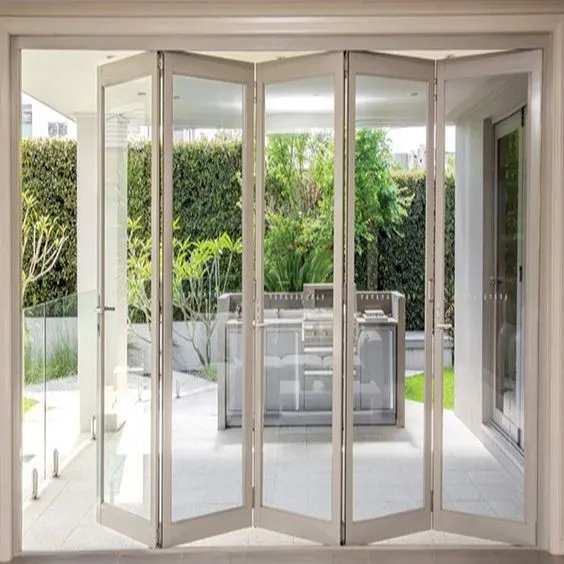
Folding doors consist of multiple hinged panels that fold open or closed like an accordion. They are a popular choice for dividing large spaces into smaller ones or creating a flexible open floor plan. Folding doors are available in various materials, including wood, aluminum, and glass.
Revolving doors
Revolving doors are commonly found in high-traffic commercial buildings such as hotels, airports, and shopping centers. They consist of a central post with multiple doors that rotate around the post, allowing efficient flow of pedestrian traffic while maintaining energy efficiency and security.
How to Store Door


Choose the right location
The first step in storing a door is to choose a dry and well-ventilated area. Moisture can cause warping, while extreme temperatures can cause the door to crack or split. A garage or shed can work well if they are dry and free from moisture.
Protect the surface
Depending on the material of the door, it may require additional protection to prevent damage. For example, a wood door may need to be covered with a tarp or wrapped in plastic to protect against moisture. A metal door may need to be coated with oil or wax to prevent rust and corrosion.
Prop the door up
To prevent the door from warping or bending, it's important to prop it up properly. Use sturdy wooden or metal props to support the door's weight, making sure they are evenly distributed. You can also lay the door flat on a table or sawhorse, but this may cause dents or scratches.
Label and organize
To avoid confusion and mix-ups, it's important to label and organize the stored doors. Use a marker to write the door's size, material, and intended location on the door or the storage container. Group similar doors together and keep them in an easily accessible area.
Inspect regularly
Regular inspections can help identify any potential issues before they become major problems. Check for signs of warping, cracking, or moisture damage. If any damage is found, address it promptly to prevent further damage.
Keep safe
When storing doors, it's important to prioritize safety. Always use sturdy and stable props to support the door's weight, and avoid stacking heavy objects on top of the door. Keep children and pets away from the stored doors to prevent accidents or injuries.
Doors are an essential component of any building, serving as a means of entry and exit while also providing security and privacy. However, doors serve a much broader range of applications beyond their basic function. In terms of specific applications, doors are used in a wide variety of settings, including homes, offices, schools, hospitals, retail stores, and hotels. Each of these settings requires different types of doors to meet specific needs. For example, a hospital may require specialized doors that are easily accessible for patients with mobility issues, while a retail store may require doors that can withstand heavy foot traffic. Doors play a critical role in buildings by providing security, privacy, noise control, fire protection, temperature control, and aesthetics. The specific application of doors will depend on the setting and the needs of the occupants. With so many different types of doors available today, there is sure to be a door that meets the needs of every building and every user.
Precautions When Using Door
Always use the handle
One of the most common causes of door-related accidents is not using the handle. Instead, people often try to push or pull the door open, which can cause the door to swing unexpectedly and cause injury. Always use the handle to ensure the door opens smoothly and safely.
Check for obstacles
Before opening a door, take a moment to check for any obstacles in the way. This could include furniture, toys, or other objects that could potentially trip someone or cause an accident. If there are any obstacles, move them out of the way before proceeding.
Use caution when opening heavy doors
Some doors, such as those made of metal or those that are particularly large and heavy, can be difficult to open and close. When opening these types of doors, use both hands and push or pull slowly to avoid strain or injury.
Be aware of your surroundings
When using a door, it's important to be aware of your surroundings. Look both ways before stepping through a doorway to ensure no one is coming through the other side. Also, pay attention to any signs or warnings posted near the door.
Keep doors in good working condition
Regular maintenance and repair of doors can help prevent accidents and injuries. Make sure the door handle, hinges, and locks are all working properly and aren't loose or damaged. If you notice any issues with the door, have them repaired immediately.
Use safety gates around stairs
If you have young children or pets, it's important to use safety gates around stairs to prevent accidents. Even if the doors leading to the stairs are closed, children or pets can still accidentally open them and fall down the stairs. Installing safety gates at the top and bottom of the stairs can help prevent these types of accidents.
How Do I Choose the Right Door
Material
The first thing to consider is the material of the door. Options include wood, metal, fiberglass, and composites. Each material has its own advantages and disadvantages, so it's important to choose the one that best fits your needs. For example, wooden doors are beautiful and classic, but they can be prone to warping and require regular maintenance. Metal doors are sturdy and secure but can be noisy and lack insulation.
Style
Once you've chosen a material, you'll need to select a style. There are countless styles of doors available, from traditional to modern, so take some time to browse through different options until you find one that fits your personal taste and the architectural style of your building.
Size
It's important to choose a door that is the correct size for the opening it will be installed in. Measure the opening carefully and make sure to select a door that is slightly larger than the opening to allow for installation and settling over time.
Functionality
Consider the functionality of the door and what it will be used for. For example, if you have children or pets, you may want a door with a sturdy frame and durable finish that can withstand frequent use. If you live in an area with extreme weather conditions, you'll want a door that is designed to withstand wind, rain, and snow.
Security
Security is an important consideration when choosing a door. Look for doors with reinforced frames, multiple locks, and security hardware such as deadbolts and peepholes.
Energy efficiency
Energy efficiency is another important factor to consider, especially if you live in an area with extreme temperatures. Look for doors with good insulation and weatherstripping to minimize heat loss during the winter months and keep cool air inside during the summer months.
Maintenance
Consider the maintenance requirements of the door. Some materials require regular painting or staining, while others are low-maintenance and easy to clean. Think about how much time and effort you're willing to put into maintaining your door and choose a material and style accordingly.
The production methods of doors can vary depending on the material used, the style and design of the door, and the desired level of functionality. Solid wood doors are typically made from pine, oak, or another type of hardwood. The production process involves cutting and shaping the wood to the desired size and shape, then applying a finish such as paint or stain to enhance the appearance and protect the wood. Solid wood doors are known for their natural beauty and durability but can be more expensive and require more maintenance than other types of doors. Composite doors are made by combining several different materials, such as wood, plastic, and glass fiber, to create a durable and low-maintenance door. The production process involves molding the composite material into the desired shape and applying a decorative layer to the front of the door. Composite doors are popular for their resistance to rot, decay, and weathering, making them ideal for outdoor applications. Metal doors are typically made from steel, aluminum, or another type of strong metal. The production process involves cutting and shaping the metal to the desired size and shape, then applying a finish such as paint or powder coating to enhance the appearance and protect the metal from corrosion. Metal doors are known for their strength and durability, making them ideal for high-traffic areas or buildings that require extra security. Fiberglass doors are made by combining fiberglass with a thermosetting resin to create a lightweight and durable door. The production process involves shaping the fiberglass into the desired size and shape, then applying a decorative layer to the front of the door. Fiberglass doors are popular for their resistance to rot, decay, and weathering, making them ideal for outdoor applications.
What Are Door Made Of?
Wood
Wooden doors are the most popular type due to their natural beauty, warmth, and versatility. They can be carved, stained, painted, or polished to match any decor. However, wooden doors can warp, crack, or swell due to changes in humidity or temperature.
Metal
Metal doors are strong, durable, and fire-resistant. They are often used in industrial or commercial settings where security is a top priority. Steel and aluminum are the most commonly used metals for doors.
Fiberglass
Fiberglass is a lightweight and flexible material that can be used to make doors that are both strong and attractive. Fiberglass doors are often reinforced with a layer of steel to increase their durability.
Composites
Composite doors are made of a combination of materials, such as fiberglass, wood particles, and polyurethane foam. These doors are energy-efficient, soundproof, and can be customized to match any style or color.
Glass
Glass doors are sleek, modern, and let in plenty of natural light. They are often used in office buildings or retail stores to create a more open and inviting atmosphere. However, glass doors do not offer much privacy and can be fragile.
PVC
PVC (polyvinyl chloride) is a popular material for making doors because it is inexpensive, easy to install, and requires very little maintenance. PVC doors are also energy-efficient and can withstand harsh weather conditions.

Hinged doors are a common type of door found in homes and commercial buildings. They consist of a doorframe, a door, and one or more hinges that allow the door to swing open and closed. The doorframe is the structural component that holds the door in place. It consists of a header, which runs horizontally across the top of the opening, and two vertical studs or jambs that support the header. The bottom of the frame is typically reinforced with a sill plate.Hinges are the mechanical component that allows the door to swing open and closed. They are typically made of metal and consist of a series of leaves that pivot around a pin. The hinges are mounted on the edge of the door and the jamb, allowing the door to rotate around its own axis. Hardware is the collection of components that facilitate the operation of the door, including locks, knobs, and handles. Locks provide security by preventing unauthorized access, while knobs and handles allow users to manipulate the door and open it easily. A latch is a mechanism that secures the door in the closed position. It typically consists of a spring-loaded bolt that retracts when the door is opened and extends when the door is closed, engaging with a strike plate mounted on the jamb.
What Are the Components of a Door?
Frame
The frame is the structural element that surrounds the door and provides support for the door and its hardware. The frame is typically made of wood, metal, or composite materials and is installed between the studs of a wall. The frame includes a header, which spans across the top of the opening, and a sill, which covers the bottom of the opening.
Panel
The panel is the part of the door that provides the barrier between the inside and outside of a room. Panels can be made of solid material, such as wood or metal, or can be constructed of multiple pieces, such as glass panes or louvers. The type of panel used will depend on the desired level of privacy, insulation, and ventilation.
Hardware
Hardware is the term used to describe the various components that are used to operate and secure the door. This includes items such as hinges, locks, knobs, and deadbolts. Hardware is an essential component of any door, providing security and ease of use.
Glass
If the door includes glass panes, they are typically made of tempered glass, which is stronger and safer than regular glass. Tempered glass is designed to shatter into small, harmless pieces if it breaks, minimizing the risk of injury.
Trim
Trim is the finishing touch that is added to the edges of the door and the frame. It can be made of the same material as the door or a contrasting material, and it serves both functional and aesthetic purposes. Trim helps to cover any gaps between the door and the frame and can add decorative detail to the door.
Weatherstripping
Weatherstripping is a flexible material that is installed around the edges of the door and the frame to prevent drafts and air leaks. Weatherstripping is an essential component of any door, especially those located in harsh weather conditions.
Sidelights
Sidelights are the fixed or operable windows that are installed next to the door. They can provide additional light and ventilation to the space and can also add architectural interest to the entrance.
How Do You Measure a Door?
Measure the width of the door
Stand in front of the door, and using a tape measure, measure the distance from one side of the doorframe to the other. Make sure the tape measure is flat against the doorframe and note down the measurement in inches. It's crucial to measure at two or three different points along the door's length and take the average to account for any warping or irregularities in the door or doorframe.
01
Measure the height of the door
Stand to the side of the door, and using a tape measure, measure the distance from the floor to the top of the doorframe. Similar to measuring the width, measure at two or three different points along the door's height, and take the average.
02
Measure the depth of the door
Measure the thickness of the door itself, from front to back, at its thickest point. This measurement is critical when purchasing pre-hung doors or doorframes, as it ensures the door will fit properly in the frame.
03
Measure the doorframe
It's also essential to measure the width and height of the doorframe where the door will hang. These measurements are crucial when installing new doors or replacing old ones, as they determine the size of the doorframe to build or replace.
04
Record and double-check your measurements
Once you've taken all the necessary measurements, double-check them to ensure accuracy. Write them down and keep them safe; you'll need them when ordering new doors, doorframes, or related hardware.
05
Our factory
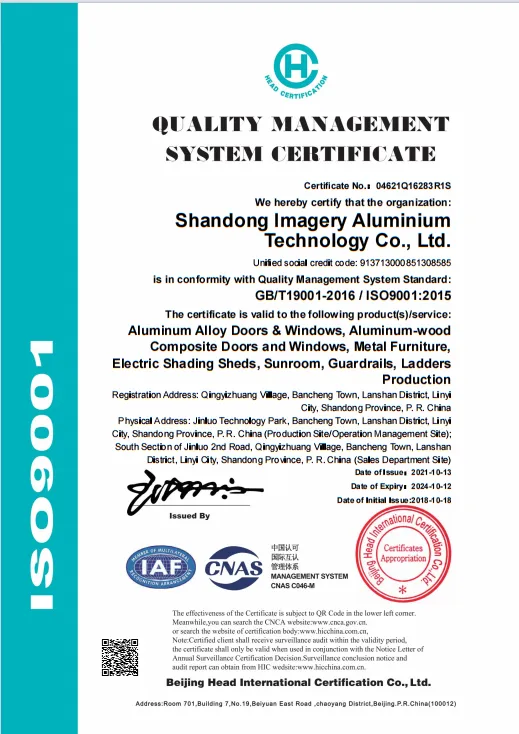
Shandong Imagery Aluminum Technology Co., LTD. has been established in 2013 and had a registered capital of RMB 30 million yuan, which is one of the China's largest manufacturers of windows and doors, with the total high-quality windows and doors,curtain walls sales volume of 600,000 square meters per year. Shandong Imagery Aluminum Technology Co., LTD is affiliated to Shandong Jinxiang Aluminum Group ,which has been founded in 1999 and had a registered capital of RMB 160 million yuan.

Certificate


FAQ
We're well-known as one of the leading door manufacturers in China. Please feel free to wholesale discount door made in China here and get free sample from our factory. Also, customized service is available.
Aluminum Glass Casement Door, Foldable Camping Table, Aluminum Glass Railing for Balcony