

Window
What Is Window
A window is a transparent panel made of glass or plastic that is set into a wall or door to admit light and air. It is an essential component of architecture that allows people to see outside and provides ventilation. Windows can be opened or closed to regulate the temperature and amount of fresh air in a room. They can also be decorated with curtains, blinds, or shutters. In modern times, windows have advanced features like double-glazing, thermal insulation, and UV protection.
Advantages of Window
Natural lighting
Windows allow natural light to enter the space, reducing the need for artificial lighting and saving energy costs. Natural light also benefits indoor air quality and promotes a sense of well-being.
View and scenery
Windows provide a view to the outside world, allowing occupants to enjoy beautiful scenery, whether it's a city skyline, a landscape, or any other view. This can enhance the overall experience and enjoyment of the space.
Cross-ventilation
Windows allow for cross-ventilation, allowing fresh air to enter the space and providing better indoor air quality. This can help reduce the buildup of odors and improve occupant comfort.
Durability and longevity
Well-made windows are sturdy and durable, able to withstand the elements and regular use. They can last for many years, providing long-term value and reliability.
Energy efficiency
Modern windows are designed to be energy efficient, helping to reduce heating and cooling costs. Glazing materials, coatings, and insulation can help control heat transfer and improve energy performance.
Easy operation
Windows are designed for easy operation, allowing them to open and close with minimal effort. This convenience factor makes windows user-friendly and accessible for individuals of all ages and abilities.
-
![Single Hung Glass Aluminium Window For Sale]() Single Hung Glass Aluminium Window For Sale1.High Space Utilization Rate 2.Strong Ventilation Flexibility 3.Good Sealing Performance And Energy-Saving Features 4.High Structural Durabilityread more
Single Hung Glass Aluminium Window For Sale1.High Space Utilization Rate 2.Strong Ventilation Flexibility 3.Good Sealing Performance And Energy-Saving Features 4.High Structural Durabilityread more -
![Aluminum Casement Windows With Security Mesh]() Aluminum Casement Windows With Security Mesh1.Superior performance 2.Convenience of us 3.Lightweight and energy-efficientread more
Aluminum Casement Windows With Security Mesh1.Superior performance 2.Convenience of us 3.Lightweight and energy-efficientread more -
![Aluminum Sash Windows Vertical]() Aluminum Sash Windows VerticalSingle hung: By applying force upwards or downwards through the pull handle, the window sash slides along the vertical track. Fixed position: After opening, it can remain at any height (some...read more
Aluminum Sash Windows VerticalSingle hung: By applying force upwards or downwards through the pull handle, the window sash slides along the vertical track. Fixed position: After opening, it can remain at any height (some...read more -
![Aluminium Casement Tilt And Turn Window Manufacturers]() Aluminium Casement Tilt And Turn Window ManufacturersAs an innovative product in the field of building doors and windows, the aluminum alloy tilt and turn window integrates the full-opening advantage of the casement window and the micro-ventilation...read more
Aluminium Casement Tilt And Turn Window ManufacturersAs an innovative product in the field of building doors and windows, the aluminum alloy tilt and turn window integrates the full-opening advantage of the casement window and the micro-ventilation...read more -
![Electric Aluminum Awning Glass Windows]() Electric Aluminum Awning Glass Windows1.Intelligent Opening Function 2.Excellent Sealing Performance 3.Good Ventilation Performance 4.High-Quality Thermal Break Profilesread more
Electric Aluminum Awning Glass Windows1.Intelligent Opening Function 2.Excellent Sealing Performance 3.Good Ventilation Performance 4.High-Quality Thermal Break Profilesread more -
![Tempered Glass Aluminum Casement Window Manufacturers Price]() Tempered Glass Aluminum Casement Window Manufacturers Price1.Excellent ventilation performance 2.Good sealing performance 3.High safety performance 4.Beautiful and elegant 5.Convenient to useread more
Tempered Glass Aluminum Casement Window Manufacturers Price1.Excellent ventilation performance 2.Good sealing performance 3.High safety performance 4.Beautiful and elegant 5.Convenient to useread more -
![Tempered Glass Aluminum Single Hung Windows For Home]() Tempered Glass Aluminum Single Hung Windows For HomeAluminum single hung window is a type of window made of aluminum alloy and opened by lifting up and down. As it is mainly popular in North America, it is also called American single hung window.read more
Tempered Glass Aluminum Single Hung Windows For HomeAluminum single hung window is a type of window made of aluminum alloy and opened by lifting up and down. As it is mainly popular in North America, it is also called American single hung window.read more -
![Double Glazed Aluminum Tilt And Turn Window With Flyscreen]() Double Glazed Aluminum Tilt And Turn Window With Flyscreen1.Aluminum Alloy+ Tempered Glass + Hardware 2.Non-thermal break:50 seriesThermal break:55 series、60 series、65 series、70 series,80 series,8018/9018/1018 series 3.Single-layer glass; double or...read more
Double Glazed Aluminum Tilt And Turn Window With Flyscreen1.Aluminum Alloy+ Tempered Glass + Hardware 2.Non-thermal break:50 seriesThermal break:55 series、60 series、65 series、70 series,80 series,8018/9018/1018 series 3.Single-layer glass; double or...read more -
![Tempered Glass Aluminum Casement Windows For House]() Tempered Glass Aluminum Casement Windows For House1.Products materials:Aluminum profile + glass 2.Profile series:Non-thermal break:50 series Thermal break:55 series、65 series、70E series、80E series、7018/8018/9018/1018 series 3.Screen...read more
Tempered Glass Aluminum Casement Windows For House1.Products materials:Aluminum profile + glass 2.Profile series:Non-thermal break:50 series Thermal break:55 series、65 series、70E series、80E series、7018/8018/9018/1018 series 3.Screen...read more -
![Aluminum Windows Casement Tilt And Turn]() Aluminum Windows Casement Tilt And Turn1.Enhanced Ventilation 2.Easy Cleaning 3.Space-Saving Design 4.Enhanced Securityread more
Aluminum Windows Casement Tilt And Turn1.Enhanced Ventilation 2.Easy Cleaning 3.Space-Saving Design 4.Enhanced Securityread more -
![Aluminium Casement Window Frame]() Aluminium Casement Window Frame1.Standard glass, three glass two chamber 5+12A+5+12A+5 2.Can do circular window, arc window 3.Aluminum alloy drain hole cover 4.Flexible foam isobaric adhesive stripread more
Aluminium Casement Window Frame1.Standard glass, three glass two chamber 5+12A+5+12A+5 2.Can do circular window, arc window 3.Aluminum alloy drain hole cover 4.Flexible foam isobaric adhesive stripread more -
![Aluminum Sliding Windows With Double Glass]() Aluminum Sliding Windows With Double Glass1.Enhanced Thermal Insulation 2.Noise Reduction 3.Energy Efficiency 4.Sleek Modern Designread more
Aluminum Sliding Windows With Double Glass1.Enhanced Thermal Insulation 2.Noise Reduction 3.Energy Efficiency 4.Sleek Modern Designread more


Why Choose Us
High quality
Our products are manufactured or executed to a very high standard, using the finest materials and manufacturing processes.
Advanced equipment
A machine, tool or instrument designed with advanced technology and functionality to perform highly specific tasks with greater precision, efficiency and reliability.
Professional team
Our professional team collaborates and communicates effectively with each other, and is dedicated to delivering high quality results. We are capable of handling complex challenges and projects that require our specialized expertise and experience.
Quality control
We have built a professional quality control team to accurately inspect every raw material and every production process.
Customized services
We understand that each customer has unique manufacturing needs. That’s why we offer customization options to cater to your specific requirements.
24H online service
We try and respond to all concerns within 24 hours and our teams are always at your disposal in case of any emergencies.
Types of Window
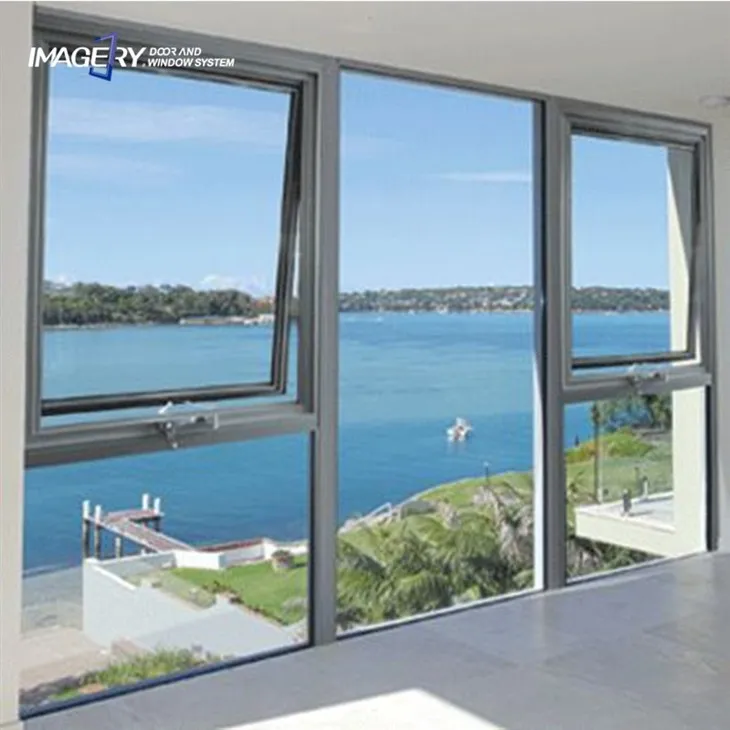


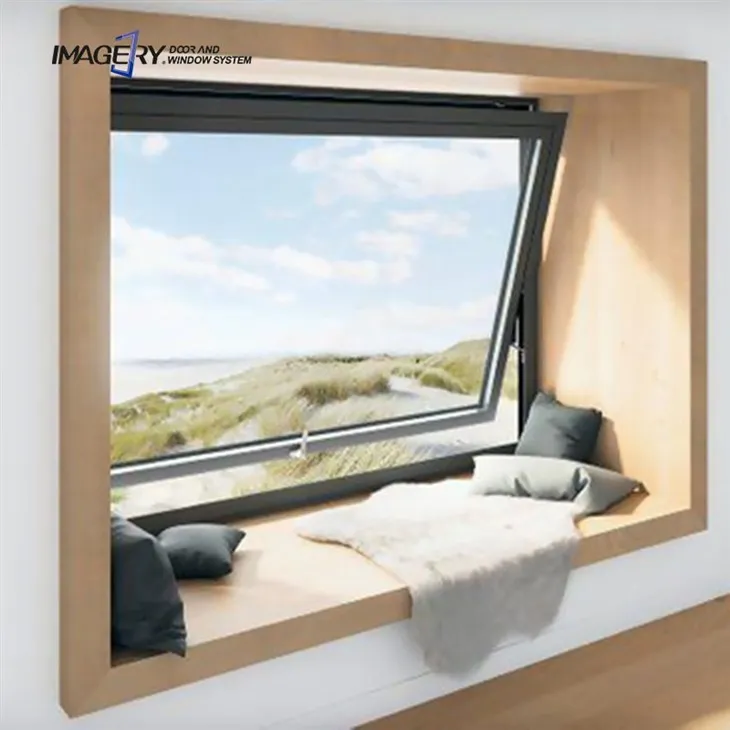
Single-hung windows
Single-hung windows are the most basic type of window, featuring one sash that slides up and down within the frame. They are cost-effective and easy to operate but offer limited ventilation options.
Double-hung windows
Double-hung windows consist of two sashes that slide up and down within the frame, allowing for increased ventilation options. They are more expensive than single-hung windows but offer better energy efficiency and easier cleaning options.
Casement windows
Casement windows feature a hinged sash that opens outward like a door, providing excellent ventilation and views. They are available in various sizes and styles and are suitable for any room in the house.
Sliding windows
Sliding windows consist of two sashes that slide horizontally within the frame, offering easy operation and increased ventilation options. They are ideal for rooms with limited space or where traditional swing-out windows may obstruct other areas.
Awning windows
Awning windows feature a hinged top sash that opens outward, providing excellent ventilation while remaining secure during inclement weather. They are ideal for overhangs, patios, and other areas where weather protection is desired.
Bay windows
Bay windows protrude from the exterior of the home, creating a distinctive architectural feature that provides ample natural light and scenic views. They are more expensive than other types of windows but offer a dramatic effect that can enhance the overall appearance of the home.
Bow windows
Bow windows feature multiple panes that curve inward, creating a semicircular shape that provides a unique architectural element. They are ideal for creating a cozy seating area or adding visual interest to a room.
Garden windows
Garden windows are designed specifically for use in kitchens and bathrooms, featuring built-in shelves and skylights that provide ample natural light and ventilation. They are ideal for displaying plants or creating a bright and inviting atmosphere.
Picture windows
Picture windows are large, non-operable windows that provide unobstructed views of the outdoors. They are ideal for creating a sense of spaciousness and openness in a room.
Jalousie windows
Jalousie windows feature louvered glass panels that open and close like blinds, allowing for increased ventilation and airflow. They are ideal for use in hot and humid climates.
How to Store Window
Packaging
Proper packaging is key to protecting your windows during storage. Start by wrapping each window in protective film or plastic wrap. This will protect the glass from scratches and dust. Then, place sturdy cardboard or foam board against the glass surface to add an extra layer of protection.
Stacking
When stacking windows for storage, always use sturdy wooden boards or pallets as spacers. Never stack windows directly on the floor as this can cause damage. Place the windows carefully on top of each other, making sure the edges align and there is no pressure on the glass.
Storage location
Choose a dry, cool, and well-ventilated area for storage. Windows exposed to direct sunlight or extreme temperatures can suffer damages. Also, avoid storing windows in damp or humid areas as this can cause the wood frames to warp or rust if it's metal-framed windows.
Regular inspection
Even though they are stored, it's important to periodically check your windows for any damages, especially if they are in a vulnerable area like a basement. Check for signs of warping, rust, or mold growth.
Protection
Depending on the length of storage, consider adding additional protection measures. For longer-term storage, it might be beneficial to cover the stacked windows with a tarp or plastic sheet to protect them from the elements.
Moving
If you need to move the stored windows, handle with care. Always use the correct equipment, such as dollies or hand trucks, designed for heavy, fragile items.
Application of Window

Lighting
The primary function of windows is to allow natural light into a building. This not only illuminates the space but also reduces the reliance on artificial lighting, thereby saving energy. Daylight has been proven to improve human mood and productivity, making it a key component of any workspace or living space.

Ventilation
Windows also serve as a means of ventilation, allowing fresh air to circulate within a building. This is particularly important in maintaining a healthy indoor environment by reducing stagnant air and preventing the buildup of pollutants.

View
Windows provide an uninterrupted view of the outside world, which can have a positive impact on the mental health and well-being of occupants. A view of nature or cityscapes can reduce stress, increase focus, and improve overall mood.

Safety
Properly designed and installed windows can also enhance the safety of a building. For instance, in the event of fire, windows can provide an escape route. Similarly, windows can be designed to withstand natural disasters such as hurricanes or earthquakes.

Architectural expression
Windows can contribute significantly to the aesthetic appeal and architectural style of a building. They can be used to create interesting patterns of light and shadow, add color, or highlight specific design elements.

Thermal comfort
Windows can influence the thermal comfort of a building's occupants. Double-glazed windows, for example, can prevent heat loss during winter months and keep out excessive sunlight during the summer.
Precautions When Using Window
Locks and security
Always use window locks to secure your windows when they are closed. This prevents unauthorized access and protects your home or office from potential intruders. Check the window frames regularly for any signs of damage or warping that could compromise their security.
Cleaning and maintenance
Regularly clean windows to maintain their transparency and functionality. Use a soft cloth or sponge to avoid scratching the glass surface. Never lean against an open window or apply too much pressure when cleaning. Check the window hardware periodically and replace any worn parts promptly.
Emergency exits
Make sure that windows serving as emergency exits are easily accessible at all times. Remove any obstacles blocking the path to the windows and ensure they can be quickly opened in case of an emergency. Test the emergency exit plan regularly to ensure its effectiveness.
Weather considerations
Take precautions when opening windows in extreme weather conditions. Avoid opening windows during heavy storms or strong winds, as this could lead to water seepage or damage. In cold weather, close windows to prevent heat loss and drafts.
Privacy
Use window coverings such as blinds, curtains, or shutters to protect your privacy. Adjust the coverings according to the amount of sunlight and privacy you need.
Energy efficiency
Insulate your windows to improve energy efficiency and reduce utility bills. Use window treatments that can block heat gain or loss, or consider upgrading to energy-efficient windows.
Safe opening and closing
When opening or closing windows, use the handle and avoid applying force to the glass. Be cautious when using window screens, as they are not designed to support weight.
Inspections
Regularly inspect windows for any damage, such as cracked glass, loose frames, or sticking mechanisms. Promptly address any issues to prevent further problems.
How Do I Choose the Right Window
Identify your needs
The first step in choosing the right window is to determine what you need it for. Are you looking for more natural light? Better ventilation? A specific aesthetic appeal? Knowing your needs will help you narrow down your options.
Consider the climate
The climate in which you live can greatly affect the type of windows you choose. In areas with harsh winters, double or triple-paned windows may be necessary to retain heat. In warmer climates, windows with high solar heat gain coefficients will help keep the interior cool.
Evaluate the existing architecture
Windows should complement the existing architecture of a building. Consider the style of your home or the design of the building when selecting windows. For instance, a modern building might suit floor-to-ceiling windows, while a traditional home might benefit from casement or sash windows.
Think about energy efficiency
Energy-efficient windows can save you money on heating and cooling costs in the long run. Look for windows with a high r-value, which indicates their resistance to heat flow. Double or triple glazing, low-e coatings, and gas fillings between the panes are all features that can improve energy efficiency.
Assess the available space
The amount of space available will determine the size and type of window you can install. Some windows, like bow or bay windows, require more space due to their protruding design.
Consider the installation process
Some windows are easier to install than others. If you plan to install the windows yourself, make sure they come with clear instructions and all necessary hardware.
Factor in maintenance
Different types of windows will require different levels of maintenance. For instance, wooden windows may need regular painting or staining to maintain their appearance, while aluminum or vinyl windows are generally more low-maintenance.
Check the warranty
Always ensure that the windows you choose come with a warranty covering defects in materials or workmanship. This can give you peace of mind in case any issues arise after installation.
Production Methods of Window
Frame and panel method
The frame and panel method is one of the oldest and most traditional window production methods. It involves creating a solid wood frame that surrounds a panel of glass. The frame is typically made of wood, but other materials such as aluminum or vinyl can also be used. The glass panel is inserted into the frame and secured in place with glazing points or strips of wood. This method is ideal for custom windows or those with intricate designs.
01
Casement method
The casement method involves creating a window with hinged sashes that open outward like a door. The sashes are held in place by a series of hinges and stays, allowing for easy opening and closing. Casement windows are often used in homes with high wind zones or coastal areas due to their durability and strength.
02
Double-hung method
The double-hung method involves creating a window with two sashes that slide up and down within the frame. This allows for ventilation from the top or bottom of the window. Double-hung windows are a popular choice for residential and commercial buildings due to their simplicity and ease of use.
03
Sliding method
The sliding method involves creating a window with two sashes that slide horizontally within the frame. This allows for easy opening and closing and provides a larger opening than double-hung windows. Sliding windows are commonly used in patios, sunrooms, and other areas where a larger opening is desired.
04
Bay and bow windows
Bay and bow windows are specialty windows that project out from the building's exterior. They consist of multiple panes of glass arranged in a curved or angled shape, providing additional living space and natural light. These windows are often used in homes with traditional or classic architectural styles.
05
Windows are an integral part of any building, whether it's a house, office, or other structure. They provide natural light, ventilation, and offer views to the outside world. But have you ever wondered what windows are made of? The primary material used to make windows is glass. Glass is a non-crystalline, amorphous solid that is typically clear or translucent. It is made by heating a mixture of sand, soda ash, and limestone to high temperatures until it melts and forms a liquid mass. This mass is then cooled and hardened into a solid form. Glass is an ideal material for windows because it is transparent, allowing light to pass through, and is strong enough to hold up under pressure. However, just using glass alone for windows would not be practical, as it would be too fragile and prone to breaking. To increase the strength and durability of windows, they are often reinforced with a framework or casing. This framework can be made from a variety of materials, including wood, aluminum, vinyl, or steel. The type of material used will depend on the desired aesthetic, cost, and functionality of the window. In addition to the framework, modern windows also incorporate additional layers of glass to improve their energy efficiency and insulation properties. Double-paned or insulated windows consist of two or more glass panes separated by a gap filled with air or inert gas. This gap helps to reduce heat transfer and keeps the interior of the building cool in the summer and warm in the winter. Another common feature of modern windows is the use of low-emissivity (low-E) coatings. These are thin, virtually invisible layers of metal or other materials applied to the surface of the glass. Low-E coatings reflect heat back into the room in the winter and keep it out in the summer, improving the window's overall energy efficiency.
What Are the Components of a Window?
Frame
The frame is the structural element that surrounds the door and provides support for the door and its hardware. The frame is typically made of wood, metal, or composite materials and is installed between the studs of a wall. The frame includes a header, which spans across the top of the opening, and a sill, which covers the bottom of the opening.
Panel
The panel is the part of the door that provides the barrier between the inside and outside of a room. Panels can be made of solid material, such as wood or metal, or can be constructed of multiple pieces, such as glass panes or louvers. The type of panel used will depend on the desired level of privacy, insulation, and ventilation.
Hardware
Hardware is the term used to describe the various components that are used to operate and secure the door. This includes items such as hinges, locks, knobs, and deadbolts. Hardware is an essential component of any door, providing security and ease of use.
Glass
If the door includes glass panes, they are typically made of tempered glass, which is stronger and safer than regular glass. Tempered glass is designed to shatter into small, harmless pieces if it breaks, minimizing the risk of injury.
Trim
Trim is the finishing touch that is added to the edges of the door and the frame. It can be made of the same material as the door or a contrasting material, and it serves both functional and aesthetic purposes. Trim helps to cover any gaps between the door and the frame and can add decorative detail to the door.
Weatherstripping
Weatherstripping is a flexible material that is installed around the edges of the door and the frame to prevent drafts and air leaks. Weatherstripping is an essential component of any door, especially those located in harsh weather conditions.
Sidelights
Sidelights are the fixed or operable windows that are installed next to the door. They can provide additional light and ventilation to the space and can also add architectural interest to the entrance.
How Do Double-Hung Windows Work?
Double-hung windows are a popular type of window that allows for easy ventilation and plenty of natural light. They consist of two sashes that slide up and down within the window frame, offering a range of advantages over other types of windows. Each sash in a double-hung window is a frame that holds the glass panes. The sashes are typically made of wood, vinyl, or aluminum and are designed to fit snugly within the window frame. The sashes may have one or more panes of glass, depending on the desired level of energy efficiency and insulation. The sashes in a double-hung window are able to slide up and down within the frame due to a series of tracks and channels. These tracks are located on the sides of the sashes and within the window frame. The channels within the sashes allow the sashes to move smoothly up and down within the frame. To keep the sashes properly balanced within the frame, a balance system is used. This system consists of ropes or springs that attach to the bottom of each sash and provide tension to keep the sashes level. The balance system helps prevent the sashes from drooping or binding within the frame and ensures smooth operation of the window. Double-hung windows offer several options for ventilation. When both sashes are fully open, the window provides maximum ventilation and allows fresh air to flow freely into the room. Alternatively, the sashes can be opened only partially to allow for filtered fresh air or to maintain a view outside while still providing ventilation. For security and safety, double-hung windows often feature a locking mechanism that secures the window in place when it is closed. This may involve a keyed lock or a simple latch that can be easily operated by the homeowner. The locking mechanism helps prevent unauthorized access through the window and ensures the window stays securely closed when not in use.
How Do You Measure a Window?
Measuring a window might seem like a simple task, but it's crucial to get it right for various reasons, including ordering the right size window treatments or making sure a new window fits perfectly in its designated space. Firstly, you need to gather the necessary tools. This includes a tape measure, pencil, and paper. Having a helper can also be beneficial, especially for larger or harder-to-reach windows. To start, you need to measure the width of the window. Place the beginning of the tape measure on the inside edge of one side of the window frame and stretch it out to the other side. Make sure you're measuring the inside of the frame, not the outside, as this will give you the true size of the window opening. Write down this measurement. Next, measure the height of the window. Position the tape measure at the top inside corner of the window frame and stretch it down to the bottom inside corner. Again, make sure you're measuring the inside of the frame. Record this measurement. If your window has multiple panes, you'll need to measure each one individually. Simply repeat the process outlined above for each pane. Note that if the window panes aren't all the same size, you'll need to measure each pane separately to ensure an accurate measurement. After you've measured the window, it's time to verify the measurements. Check that you've measured in the correct places and that your measurements are accurate. If you're unsure, it's always better to remeasure than to risk installing the wrong size window treatment. Lastly, remember to round up to the nearest 1/8 inch when recording your measurements. This is because most window treatments are made in standard sizes that are measured in 8ths.
How Do You Improve Window Energy Efficiency?
Improving the energy efficiency of your windows is a smart way to save money on your energy bills while also reducing your carbon footprint. Installing weatherstripping around the edges of your windows can prevent drafts and air leaks, thus improving energy efficiency. Weatherstripping is available in various materials, such as foam, rubber, and vinyl, and can be easily installed with adhesive or tape. Applying window film to the exterior or interior of your windows can reduce heat loss during the winter months and keep your home cooler during the summer. Window film is a cost-effective solution that can significantly improve the energy efficiency of your windows. Installing window insulation can further improve the energy efficiency of your windows. Window insulation comes in various forms, including bubble wrap, foam board, or fiberglass insulation. These materials can be placed on the inside of your windows during the colder months to provide an extra layer of insulation. Replacing old, drafty windows with energy-efficient models is another effective way to improve the energy efficiency of your home. New windows can be made with energy-efficient materials, such as low-emissivity (low-E) coatings, argon or krypton gas fillings, and insulated frames. Installing window treatments, such as blinds, shades, or curtains, can help regulate the temperature in your home and improve energy efficiency. These treatments can block sunlight during the summer months and keep your home warm during the winter. Regular maintenance of your windows can help improve their energy efficiency. This includes cleaning your windows regularly to ensure they're free of dirt and debris that can impede their performance.
Our factory
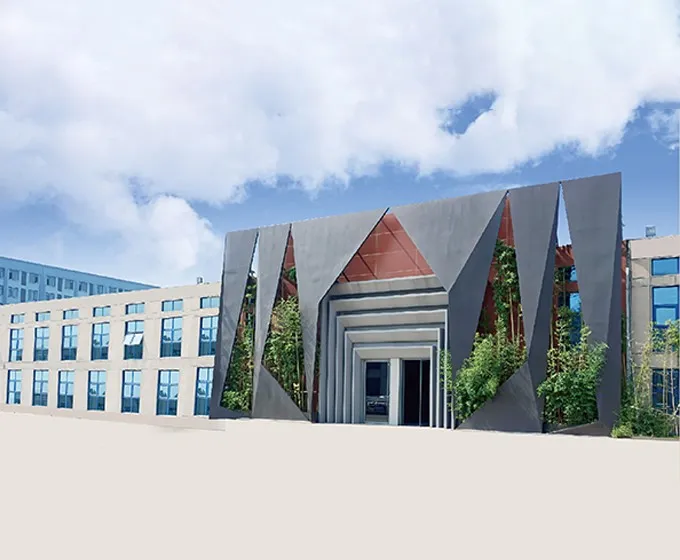
Shandong Imagery Aluminum Technology Co., LTD. has been established in 2013 and had a registered capital of RMB 30 million yuan, which is one of the China's largest manufacturers of windows and doors, with the total high-quality windows and doors,curtain walls sales volume of 600,000 square meters per year. Shandong Imagery Aluminum Technology Co., LTD is affiliated to Shandong Jinxiang Aluminum Group ,which has been founded in 1999 and had a registered capital of RMB 160 million yuan.
Certificate



FAQ
We're well-known as one of the leading window manufacturers in China. Please feel free to wholesale discount window made in China here and get free sample from our factory. Also, customized service is available.
Aluminum Sliding Door, Aluminum Folding Door, Curtain Wall