

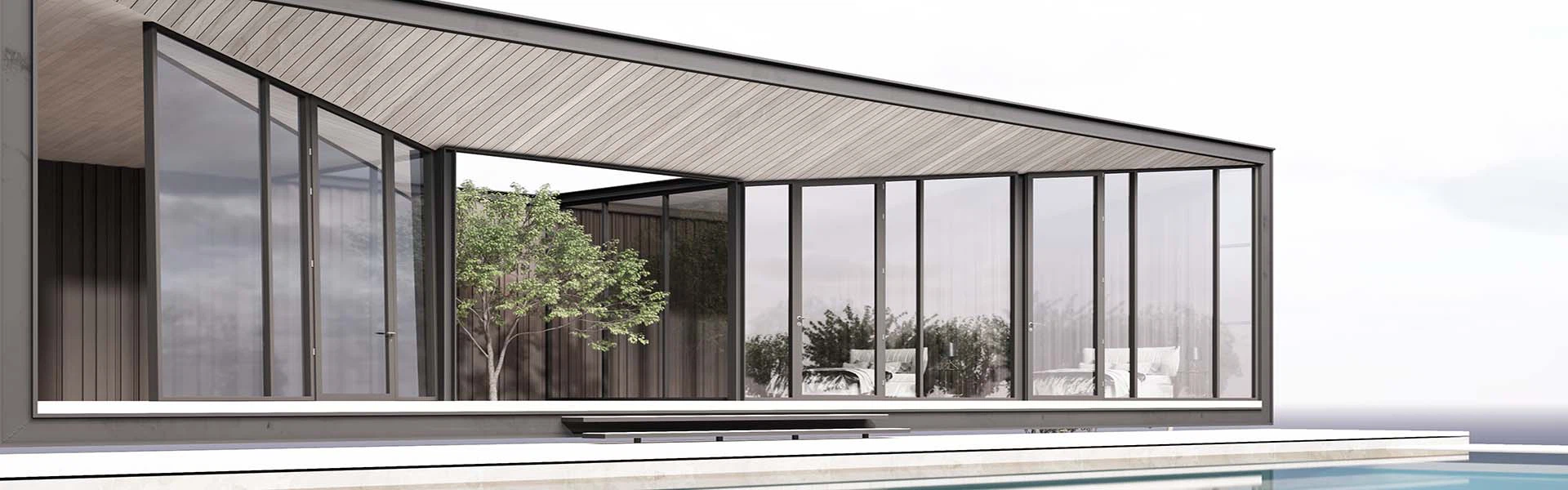
Glass Curtain Wall
What Is Glass Curtain Wall
A glass curtain wall is an advanced exterior façade system primarily composed of glass panels that are attached to the building's structural framework. Its primary purpose is to provide an attractive, transparent outer layer while allowing natural light to enter the building, enhancing the visual appeal and energy efficiency. The glass panels can be monolithic (single-layer glass) or insulated (multiple layers), and they may incorporate reflective coatings or solar control features to mitigate heat gain and glare. Curtain walls are designed to withstand environmental forces such as wind, rain, and temperature changes without relying on the structure for support. They are a staple of modern architecture, providing a sleek, lightweight envelope for buildings.
Advantages of Glass Curtain Wall
Aesthetic appeal
The glass curtain wall features a sleek and modern design that enhances the overall appearance of the building. They create a clean, uninterrupted facade that allows for maximum transparency and penetration of natural light. The transparent nature of glass also provides a seamless transition between indoor and outdoor spaces, creating a visually appealing and inviting environment.
Natural light
The glass curtain wall allows maximum sunlight to enter the building, providing natural lighting to the interior spaces. Natural light improves the overall ambience of a room, enhances visual comfort and reduces the need for artificial lighting during the day. Not only does this save energy, it also helps create a healthier, more efficient indoor environment.
Visual connection
Glass curtain walls provide unobstructed views to the outdoors and enhance visual connectivity between indoor and outdoor spaces. This allows the occupants to appreciate the natural scenery and enjoy an open, spacious feel. It also creates a transparent boundary that blurs the boundaries between indoors and outdoors, fostering a sense of community and connection to the surrounding environment.
Structural flexibility
The glass curtain wall is designed with a flexible frame system that can be easily modified and extended. This flexibility enables the building to adapt to changing needs and allows for future renovations and expansions without the need for major structural modifications.
Durability and longevity
Glass facades are made from high-quality materials and can withstand extreme weather conditions, including strong winds, heavy rain, and extreme temperatures. With proper maintenance, glass curtain walls can last for decades, providing long-term value and durability.
Design flexibility
Glass curtain walls offer a high degree of flexibility in design and customization. They can be configured in a variety of shapes, sizes and patterns, allowing architects and designers to create unique and visually appealing looks. This flexibility allows glass curtain walls to adapt to a variety of architectural styles and design concepts.
-
![Glass Curtain Walls Aluminum For Houses]() Glass Curtain Walls Aluminum For HousesThe glass curtain wall refers to a building curtain wall with glass as the panel material. It is composed of a supporting structure system and panels, which can have a certain displacement...read more
Glass Curtain Walls Aluminum For HousesThe glass curtain wall refers to a building curtain wall with glass as the panel material. It is composed of a supporting structure system and panels, which can have a certain displacement...read more -
![Building Glass Curtain Wall]() Building Glass Curtain Wall1.The Building Glass Curtain Wall offers outstanding transparency, flooding interiors with natural light, creating a bright and inviting atmosphere. 2.Its sleek and modern design enhances the...read more
Building Glass Curtain Wall1.The Building Glass Curtain Wall offers outstanding transparency, flooding interiors with natural light, creating a bright and inviting atmosphere. 2.Its sleek and modern design enhances the...read more


Why Choose Us
High quality
Our products are manufactured or executed to a very high standard, using the finest materials and manufacturing processes.
Advanced equipment
A machine, tool or instrument designed with advanced technology and functionality to perform highly specific tasks with greater precision, efficiency and reliability.
Professional team
Our professional team collaborates and communicates effectively with each other, and is dedicated to delivering high quality results. We are capable of handling complex challenges and projects that require our specialized expertise and experience.
Quality control
We have built a professional quality control team to accurately inspect every raw material and every production process.
Customized services
We understand that each customer has unique manufacturing needs. That’s why we offer customization options to cater to your specific requirements.
24H online service
We try and respond to all concerns within 24 hours and our teams are always at your disposal in case of any emergencies.
Types of Glass Curtain Wall
Structural glazing curtain walls
This type involves glass panels that are directly bonded to the metal frame using structural silicone. The result is a transparent wall that gives the impression that the glass is floating. Structural glazing systems can support heavy glass panes, making them suitable for high-rise buildings.
Unitized curtain walls
Unitized curtain walls consist of prefabricated glass and metal units that are assembled in a factory and shipped to the construction site. Each unit is sealed and weather-tight, which reduces installation time and enhances the building envelope's performance. This system is particularly useful for complex facades that require precision and speed in construction.
Framed curtain walls
In framed curtain walls, the glass is set into a metal frame that is attached to the building's exterior. This traditional method offers a variety of design options, including different frame styles and glass types. Framed systems are versatile and can incorporate spandrel glass or opaque panels to create interesting patterns and designs.
Adhered curtain walls
Also known as stick systems, adhered curtain walls are constructed on-site using individual glass panels and metal mullions that are adhered to the building's sheathing. This allows for some customization on-site but typically takes longer to install than unitized systems. Adhered curtain walls can be designed with various glass thicknesses and types to meet energy efficiency and safety requirements.
Tornado resistant curtain walls
Designed to withstand extreme weather conditions, these specialized curtain walls employ thicker glass panes, reinforced frames, and protective films to enhance durability. They are commonly used in regions prone to severe storms and high-velocity winds.
Double skin curtain walls
This innovative system features two layers of glass separated by an air cavity. The outer skin provides insulation and weather resistance, while the inner skin serves as the building's primary façade. The cavity can be used for natural ventilation, daylighting, or even to house plants, creating a biophilic design element.
Photovoltaic curtain walls
Integrating renewable energy sources into the building envelope, photovoltaic (pv) curtain walls incorporate solar panels into the glass facade. These systems convert sunlight into electricity, contributing to the building's overall energy efficiency while maintaining the aesthetic appeal of a glass curtain wall.
Smart curtain walls
Embracing the latest technology, smart curtain walls are equipped with sensors and control systems that can adjust the building’s environmental conditions automatically. Features may include electrochromic glass that changes tint in response to uv levels, temperature, or occupancy, as well as integrated blinds or shading systems controlled by smart algorithms.
How to Store Glass Curtain Wall
Site preparation
Before storing any glass curtain wall elements, ensure the storage area is clean, dry, and protected from the elements. Cover the floor with protective material like plywood to avoid scratching the surfaces of the glass panels or aluminum frames.
01
Glass panel storage
Protection: Each glass panel should be wrapped in protective film or bubble wrap to prevent scratches and abrasions. This is particularly important for the edges and corners of the glass, as they are more susceptible to damage.
02
Separation
Place cardboard separators between the glass panels to prevent them from sticking together, especially if they are coated with a hydrophobic or oily substance. This prevents stains and ensures that the protective film does not adhere to adjacent panels.
03
Stacking
Stack the glass panels vertically or horizontally depending on space constraints and the size of the panels. Vertical stacking is preferred when space allows, as it reduces the risk of breakage due to uneven weight distribution. Use appropriate spacers to keep each panel level and prevent warping.
04
Secure stacking
Use ropes, straps, or specialized storage frames to secure the stacks and prevent movement, which could lead to breakage. Ensure the securing method does not apply pressure to the glass that could cause stress cracks.
05
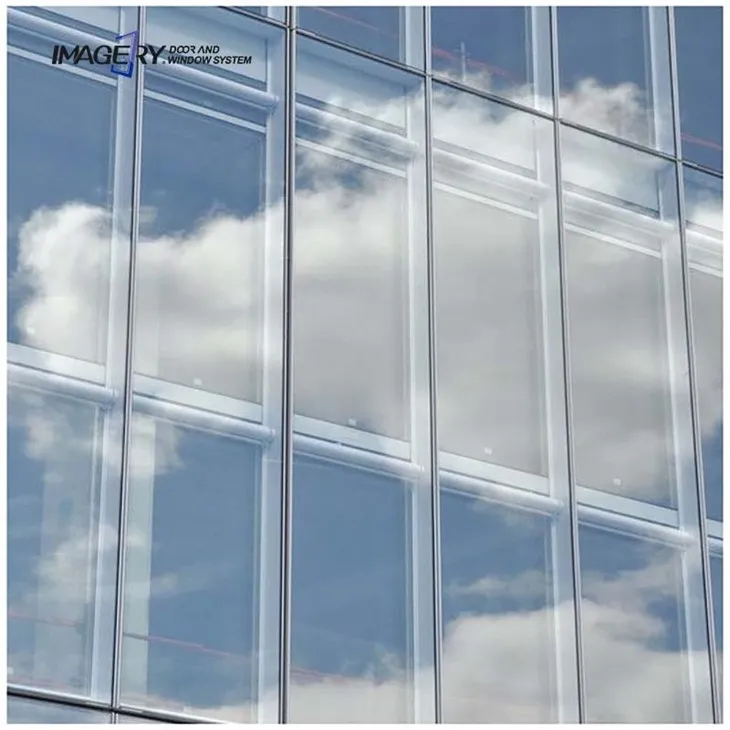
Glass curtain walls have become an integral component of modern architecture, revolutionizing the aesthetics and functionality of buildings around the world. Their primary application lies in providing an envelope of glass that wraps around the exterior of a building, offering several advantages and possibilities for design innovation. One of the most significant applications of glass curtain walls is in the creation of visually striking facades. The transparency and reflective properties of glass allow architects to design buildings that appear light, airy, and visually connected to their surroundings. This effect is particularly popular in corporate headquarters, skyscrapers, and public buildings where a strong visual identity is desired. Energy efficiency is another critical application of glass curtain walls. Advances in glass technology have led to the development of high-performance glazing that can reduce heat transfer, enhance thermal insulation, and mitigate solar heat gain. When combined with other sustainable building practices, glass curtain walls can contribute to the overall energy efficiency of a building, leading to lower utility costs and reduced carbon footprint.
Precautions When Using Glass Curtain Wall

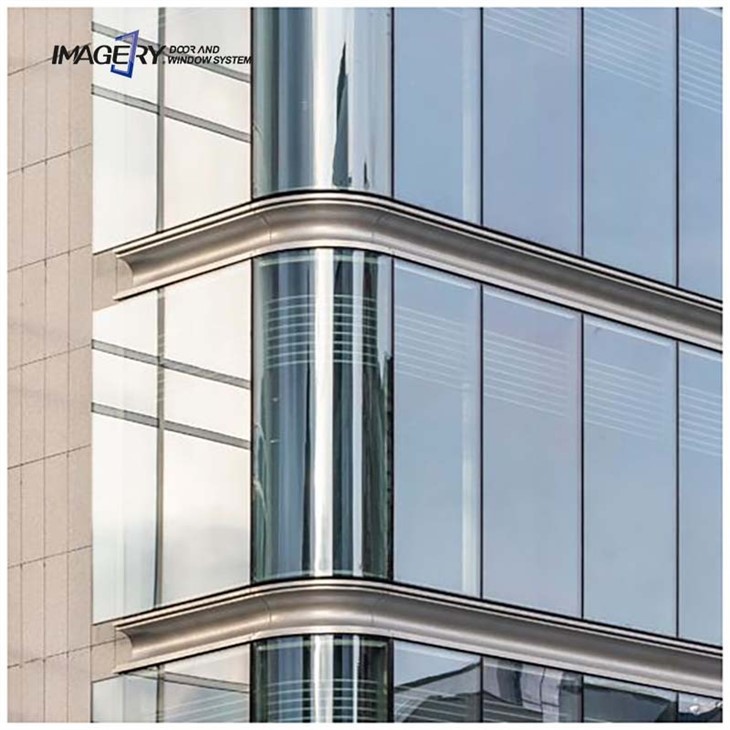
Float glass method
This is the most commonly used method for producing flat glass for curtain walls. In this process, raw materials such as sand, soda ash, and limestone are mixed and melted at high temperatures to form a batch. The molten glass is then floated on a bed of molten tin while a controlled atmosphere maintains a uniform thickness. As it cools, it solidifies into a flat sheet of glass.
Tempering process
Once the glass is manufactured, it often undergoes a tempering process to increase its strength and safety. This involves heating the glass to above its annealing temperature (the temperature at which it becomes less brittle) and then quickly cooling it with jets of air. This creates a layer of compression tension in the surface of the glass, making it up to five times stronger than untreated glass.
Laminating process
Laminated glass is made by bonding two or more layers of glass together with interlayers, usually of polyvinyl butyral (pvb) or ethylene-vinyl acetate (eva). This process creates a layered structure that holds the glass together if it breaks, reducing the risk of injury from shattered glass. It also offers improved insulation and sound reduction.
Coating process
Coated glass is another option for glass curtain walls. This involves applying a thin metal or ceramic coating to the glass surface to improve its energy efficiency by reflecting heat or controlling the amount of light transmitted. Coatings can also enhance the aesthetic appeal of the glass by adding colors or reflective properties.
Fabrication process
After the glass has been manufactured and treated, it undergoes a fabrication process to shape it into the desired form for the curtain wall. This includes cutting, drilling, and grinding to achieve the precise dimensions and shapes required. The edges may also be polished to remove sharpness and improve the overall appearance of the glass.
Assembly process
Finally, all the components of the glass curtain wall are assembled. This includes fitting the glass panels into the frames, securing them with hardware, and ensuring that they are weathertight and structurally sound. The frames may be made from aluminum, steel, or other materials, and they are designed to support the weight of the glass and withstand environmental forces.
How Do I Choose the Right Glass Curtain Wall
Building design and architecture
The primary consideration should be how the glass curtain wall integrates with the overall architectural design of the building. The wall should complement the building’s form, enhance its visual appeal, and contribute to its identity. The design should also consider the building’s orientation, height, and the surrounding environment to maximize natural light and views while minimizing glare and heat gain.
Glass type and specifications
There are various types of glass utilized in curtain walls, such as insulated glass units (igus), laminated glass, and tempered glass. Each type offers different benefits in terms of thermal insulation, soundproofing, safety, and strength. For instance, igus with low-emissivity (low-e) coatings can improve energy efficiency by reflecting heat back into the building in the winter and keeping it out in the summer. Select the glass type based on the desired performance characteristics and local climate conditions.
Structural framework
The curtain wall system’s structural framework is critical for its integrity and stability. Aluminum is the most commonly used material due to its strength, lightweight, and corrosion resistance. However, other materials like steel or stainless steel may be used depending on the load requirements and design aesthetics. Ensure that the chosen framework is compatible with the glass type and capable of supporting the wall’s weight and resisting wind loads, seismic activity, and other environmental forces.
Energy efficiency
With increasing emphasis on sustainability, it’s important to choose a glass curtain wall system that meets high energy efficiency standards. Look for systems with advanced thermal breaks, insulated glass units, and solar shading devices to reduce heat transfer and minimize energy consumption. Consider obtaining certifications from organizations like the u.S. Green building council (usgbc) for leadership in energy and environmental design (leed) compliance.
Maintenance and durability
Select a curtain wall system that is durable and requires minimal maintenance. High-quality finishes and materials that resist weathering, dirt accumulation, and fading will contribute to the longevity and appearance of the wall. Easy-to-clean surfaces and accessible components for regular inspections and cleaning will also simplify maintenance tasks.
Budget and cost
While glass curtain walls can significantly enhance a building’s appearance, they can also be costly. Set a budget early in the planning process and compare quotes from different suppliers and manufacturers. Keep in mind that the initial cost is just one aspect; the total cost of ownership should include maintenance, energy efficiency, and potential future upgrades.
Production Methods of Glass Curtain Wall
Design and planning
The first stage in the production of a glass curtain wall is the design and planning phase. Architects and engineers collaborate to create a design that meets the client’s requirements, considering factors like building size, shape, and location, as well as local regulations and codes. The design must also take into account structural considerations, thermal performance, and aesthetics.
Glass selection and fabrication
Once the design is finalized, the next step is to select and fabricate the glass panels. High-quality float glass is commonly used for its durability and clarity, but other types of glass like tempered glass or laminated glass may be chosen for added strength or safety. The glass is then cut to size, edged, and sometimes coated or treated to improve its performance characteristics.
Structural framework
While the glass panels are being fabricated, work begins on the metal framework that supports the curtain wall. This framework, typically made of aluminum or steel, includes mullions (vertical members), transoms (horizontal members), and anchors or connectors. The framework must be precisely engineered to meet the structural demands of the building and accommodate the glass panels.
Panel assembly
With the glass panels and metal framework prepared, the assembly of the glass curtain wall begins. The glass panels are mounted onto the metal framework, which may involve inserting them into pre-formed channels or slots, or using clips, bolts, or other fasteners. Seals and gaskets are used to provide weather resistance and prevent water infiltration.
Integration with building systems
Glass curtain walls must be integrated with other building systems like hvac, lighting, and electrical systems. This integration ensures that the curtain wall functions properly and meets all performance criteria. For example, windows may need to be operable for ventilation, or the curtain wall may need to accommodate window washing systems.
Quality control and testing
Throughout the production process, quality control measures are implemented to ensure that the glass curtain wall meets all specifications and performance standards. Testing may include load testing, water infiltration testing, and thermal performance testing to confirm that the curtain wall is structurally sound and energy efficient.
What Are the Components of Glass Curtain Wall
Framing members
These are the primary structural elements of the glass curtain wall system. They are typically made from aluminum or steel and include horizontal mullions (the top members), vertical mullions (the side members), and sometimes diagonal mullions (which provide additional support and stability). Framing members serve to hold the glass panels in place and transfer loads from the glass to the main building structure.
Glazing system
This refers to the method of securing the glass panels within the framing members. The glazing system can vary depending on the design and performance requirements of the curtain wall. Common methods include structural sealant glazing (ssg), where a silicone sealant is used to bond the glass to the framing member; and metal-to-metal dry glazing, where the glass is held in place with mechanical hardware such as clips and gaskets.
Insulating glass units (igus)
These are the glass panels that make up the majority of the curtain wall. Igus consist of two or more layers of glass separated by a spacer and often filled with inert gas to improve thermal efficiency. They are sealed around the edges to prevent air and moisture infiltration.
Gaskets and sealing materials
Gaskets and sealing materials play a crucial role in maintaining the integrity of the glass curtain wall by preventing water ingress and providing a barrier against air infiltration. They are typically made from materials like epdm or neoprene, which have good weather resistance and durability.
Anchorage and support systems
These components are responsible for anchoring the glass curtain wall to the building's main structure. They include anchor bolts, anchor plates, and other hardware that secure the curtain wall framing to the building. The support systems may also include tension cables or trusses that provide lateral support to resist wind loads and seismic forces.
Accessories and hardware
These items include various components such as cap moldings, end caps, and corner pieces that finish off the curtain wall and provide a neat appearance. Window openings may be included in the curtain wall design, requiring frames, sills, and thresholds to accommodate operable windows or doors.
Thermal breaks
To reduce heat transfer and condensation within the curtain wall, thermal breaks are incorporated into the framing members. These breaks are made from materials with high thermal resistance, such as polyamide or stainless-steel inserts, which separate the interior and exterior aluminum members and minimize heat flow through the metal.
How Are Glass Curtain Walls Installed?
Planning and design
The first step in the installation process is planning and design. This involves creating detailed architectural drawings and specifications for the glass curtain wall system. The design will take into account factors such as building height, wind loads, thermal performance, and aesthetic requirements.
01
Structural framing
Before the glass panels can be installed, a structural framing system must be in place. This typically consists of steel or aluminum frames that are anchored to the building's structural elements. The framing system must be capable of supporting the weight of the glass panels and withstand wind and other environmental loads.
02
Waterproofing and insulation
Once the structural framing is in place, waterproofing and insulation measures must be taken to protect the building from water infiltration and thermal bridging. This may involve installing gaskets, seals, and other weather-resistant materials around the perimeter of the frames.
03
Glass panel installation
With the structural framing and waterproofing measures complete, the glass panels can be installed. The panels are typically manufactured to size and transported to the job site in protective packaging. Each panel is carefully lifted into place and secured to the frames using hardware such as clips, screws, and brackets. The installation process must be coordinated with other trades to ensure that electrical, hvac, and other systems are properly integrated.
04
Sealing and finishing
After the glass panels are installed, the joints and gaps between the panels must be sealed to prevent water infiltration and air leaks. This may involve using silicone sealant or other compatible sealants to fill the gaps and create a watertight seal. The final step in the installation process is to apply finishing touches such as trim pieces, caps, or covers to conceal the hardware and enhance the visual appeal of the glass curtain wall.
05
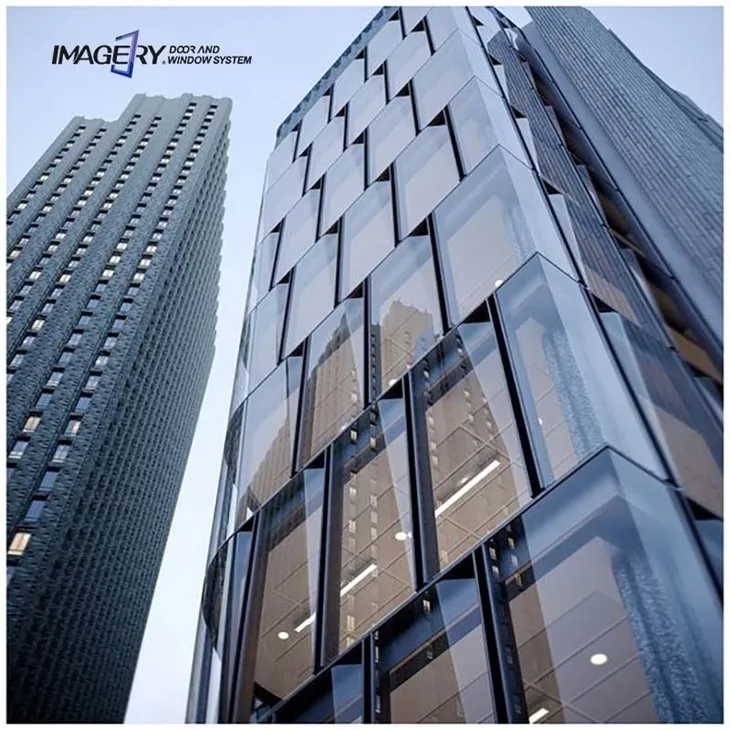
The susceptibility of glass curtain walls to fading depends primarily on the type of glass and coatings used in their construction. High-quality insulated glass units (IGUs) with low-emissivity (low-E) coatings offer enhanced protection against UV radiation, which is a primary cause of fading. Low-E coatings work by reflecting a portion of the sun’s rays back through the glass, reducing the amount of heat transmitted into the building while still allowing visible light to pass through. Additionally, some low-E coatings have a tint that helps to absorb UV radiation, further diminishing its ability to cause fading. Another factor that affects the fade resistance of glass curtain walls is the inclusion of tinted glass. Tinted glass absorbs a significant portion of the sun’s energy, which not only reduces glare and heat gain but also helps to mitigate fading of interior furnishings and finishes. Darker tints offer greater protection than lighter ones, but they can also reduce the amount of natural light entering the building. Therefore, the choice of tint should be balanced based on the specific needs and preferences of the building’s occupants. Moreover, the use of reflective coatings on glass curtain walls can also enhance their fade resistance. Reflective coatings reflect a substantial amount of solar energy away from the building, minimizing heat transfer and reducing the potential for fading. These coatings are available in a variety of colors and patterns, allowing architects to achieve a wide range of visual effects while simultaneously protecting the building’s contents from fading.
Our factory
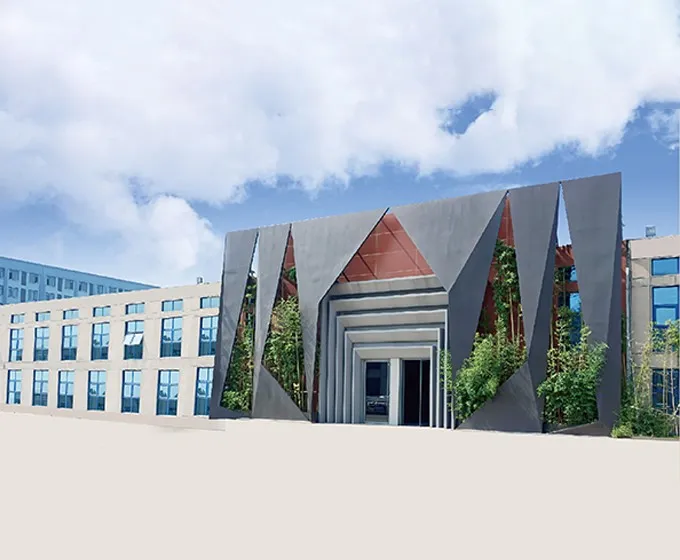
Shandong Imagery Aluminum Technology Co., LTD. has been established in 2013 and had a registered capital of RMB 30 million yuan, which is one of the China's largest manufacturers of windows and doors, with the total high-quality windows and doors,curtain walls sales volume of 600,000 square meters per year. Shandong Imagery Aluminum Technology Co., LTD is affiliated to Shandong Jinxiang Aluminum Group ,which has been founded in 1999 and had a registered capital of RMB 160 million yuan.
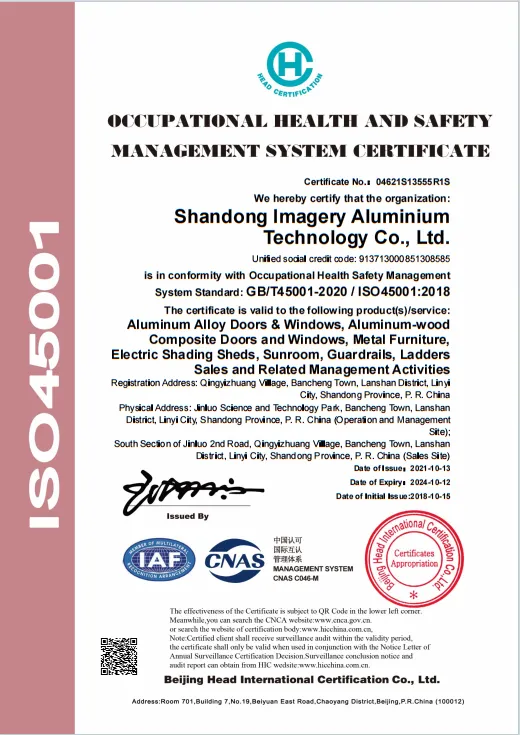
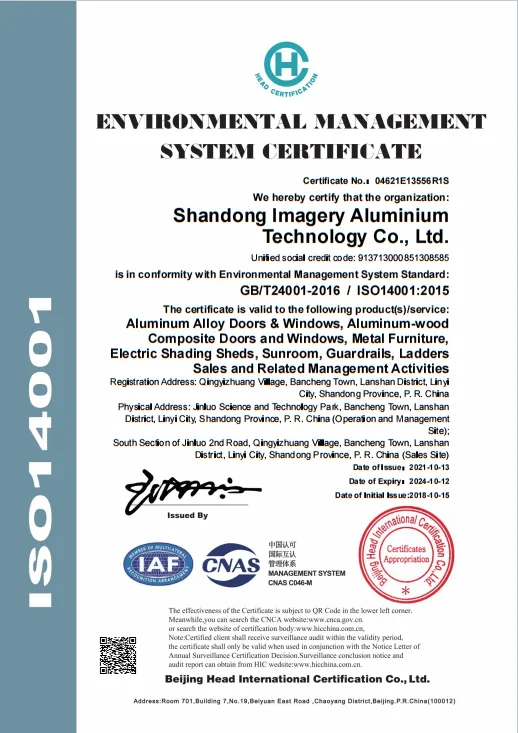
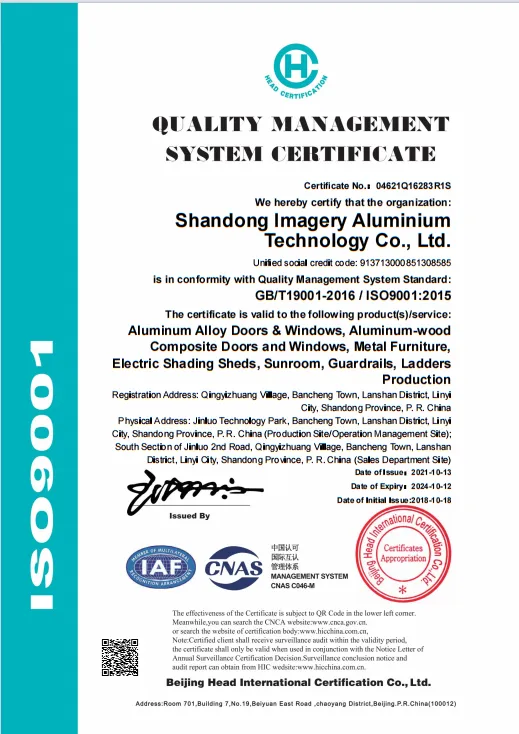
Certificate
FAQ
We're well-known as one of the leading glass curtain wall manufacturers in China. Please feel free to wholesale discount glass curtain wall made in China here and get free sample from our factory. Also, customized service is available.
Building Glass Curtain Wall, Curtain Wall, Glass Curtain Wall