

Sunroom
What Is Sunroom
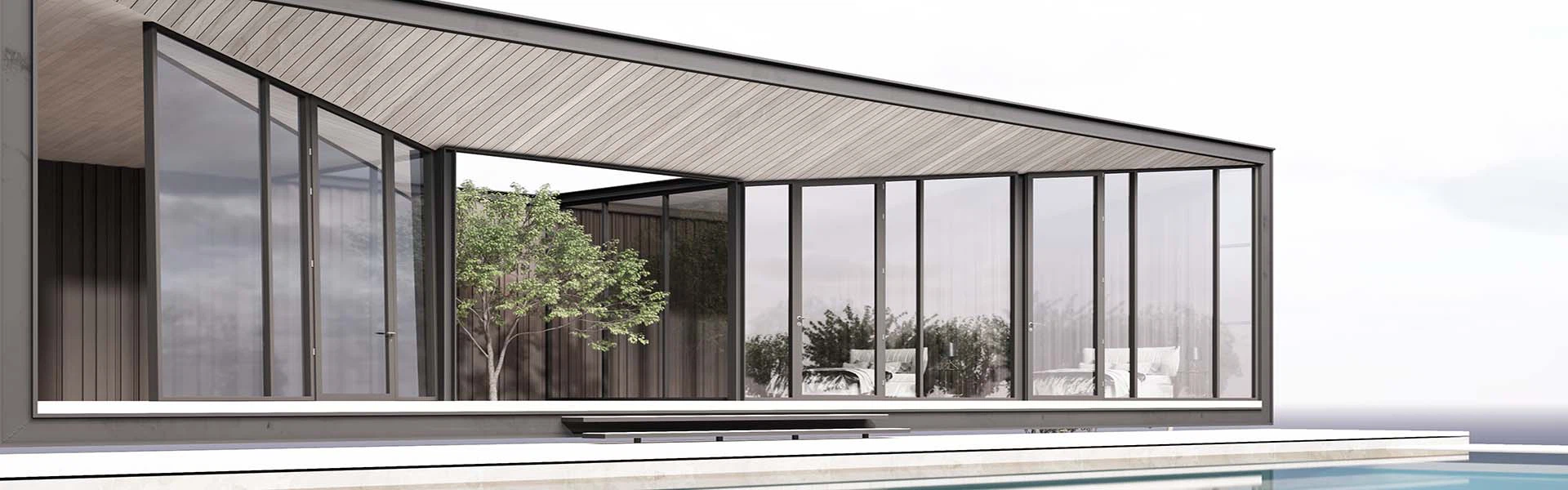
A sunroom, also known as a solarium, is a room that is designed to take full advantage of natural light. It is typically located on the side of a house that receives the most sunlight. Sunrooms are often constructed with glass windows and skylights to maximize light exposure. These rooms are popular because they create a bright, airy space that can be used for a variety of purposes, such as a reading nook, office, or dining area. Sunrooms can be either partially or fully enclosed, and some even have heating systems so they can be enjoyed year-round. They are a great way to add living space to a home while enjoying the benefits of natural light.
Advantages of Sunroom
Natural lighting
Sunrooms provide an abundance of natural light, which can brighten up a space and enhance the home's interior. The natural light not only makes the room feel more open and airy but also promotes better health and well-being. Natural light can regulate the body's circadian rhythms, improve mood, and even enhance the growth of plants and flowers.
Thermal comfort
Sunrooms are designed to capture the warmth of the sun, providing a cozy and comfortable environment. In colder months, the sun's heat can help to heat up the room, reducing the need for supplemental heating. In warmer months, the glass walls of the sunroom allow for cross-ventilation, keeping the room cool and comfortable.
Space addition
A sunroom can serve as an additional living space that can be used for a variety of purposes. It can be used as a reading nook, workspace, or even a place to relax and enjoy a cup of tea. The extra space also provides an opportunity to expand your indoor garden or plants, adding greenery and life to the home.
Easy to install
Sunrooms are designed to be easy to install, typically using pre-fabricated components that are assembled on site. The installation process can be completed by a professional or even by do-it-yourself enthusiasts with some basic knowledge and tools. The pre-fabricated components also make it easy to customize the size and shape of the sunroom to fit your specific needs and space.
Energy efficiency
Sunrooms are relatively energy-efficient, especially when designed and built with high-quality materials and insulation. The glass walls can be equipped with blinds, shutters, or even solar panels to control the amount of light and heat entering the room. This can help reduce the need for air conditioning and heating, resulting in lower energy bills.
Year-round use
Sunrooms can be used year-round, taking advantage of the four seasons and providing an indoor space that is protected from the elements. In winter, they provide a cozy spot to enjoy the sun's warmth, while in summer, they offer a shaded area for escaping the heat.
-
![Energy-Efficient Aluminum Sunroom Designs]() Energy-Efficient Aluminum Sunroom Designs1.Customized Corner Assembly with Bridge-type Load-bearing Technology 2.Comprehensive Intelligent System Integration 3.Modular Installation for Large-Span Applicationsread more
Energy-Efficient Aluminum Sunroom Designs1.Customized Corner Assembly with Bridge-type Load-bearing Technology 2.Comprehensive Intelligent System Integration 3.Modular Installation for Large-Span Applicationsread more -
![Aluminum Wood Sunroom]() Aluminum Wood Sunroom1. Customizable specifications. 2. Customizable style. 3. Customizable raw materials.read more
Aluminum Wood Sunroom1. Customizable specifications. 2. Customizable style. 3. Customizable raw materials.read more -
![Aluminum Alloy Glass Sun House]() Aluminum Alloy Glass Sun House1. Ventilation 2. Drainage 3. Heat insulation 4. Protection 5. Enjoy the sceneryread more
Aluminum Alloy Glass Sun House1. Ventilation 2. Drainage 3. Heat insulation 4. Protection 5. Enjoy the sceneryread more -
![Sunrooms Glass Houses Triangle]() Sunrooms Glass Houses Triangle1. We flexibly adjust the specifications to meet the individual needs of customers. 2. Customize colors to create exclusive sun room. 3. We are committed to quality service, so that you are...read more
Sunrooms Glass Houses Triangle1. We flexibly adjust the specifications to meet the individual needs of customers. 2. Customize colors to create exclusive sun room. 3. We are committed to quality service, so that you are...read more -
![Aluminum Winter House Garden Glass]() Aluminum Winter House Garden Glass1. Specifications can be customized. 2. Color can be customized.read more
Aluminum Winter House Garden Glass1. Specifications can be customized. 2. Color can be customized.read more -
![Sunrooms Glass Houses Aluminium Slant]() Sunrooms Glass Houses Aluminium SlantProfile:Aluminum clad wood or aluminum alloy Profile Thickness:3.0mm Color:Optional customization Glass:5mm+0.076pvb+5mm+12a+5mmread more
Sunrooms Glass Houses Aluminium SlantProfile:Aluminum clad wood or aluminum alloy Profile Thickness:3.0mm Color:Optional customization Glass:5mm+0.076pvb+5mm+12a+5mmread more -
![Aluminum Frame Glass Sunroom]() Aluminum Frame Glass SunroomWide range of vision: the line of sight of the sun room is very large, and the heart of the outdoor scenery has become broad. In addition, the sun room is good for the growth of children and the...read more
Aluminum Frame Glass SunroomWide range of vision: the line of sight of the sun room is very large, and the heart of the outdoor scenery has become broad. In addition, the sun room is good for the growth of children and the...read more


Why Choose Us
High quality
Our products are manufactured or executed to a very high standard, using the finest materials and manufacturing processes.
Advanced equipment
A machine, tool or instrument designed with advanced technology and functionality to perform highly specific tasks with greater precision, efficiency and reliability.
Professional team
Our professional team collaborates and communicates effectively with each other, and is dedicated to delivering high quality results. We are capable of handling complex challenges and projects that require our specialized expertise and experience.
Quality control
We have built a professional quality control team to accurately inspect every raw material and every production process.
Customized services
We understand that each customer has unique manufacturing needs. That’s why we offer customization options to cater to your specific requirements.
24H online service
We try and respond to all concerns within 24 hours and our teams are always at your disposal in case of any emergencies.
Types of Sunroom
Three-season sunrooms
Three-season sunrooms are designed to be used during the spring, summer, and fall months. They typically have glass windows and doors that can be opened to allow fresh air to circulate. These rooms are not intended for use during the winter months, as they may not have adequate insulation or heating systems.
Four-season sunrooms
Four-season sunrooms are designed to be used year-round, regardless of the weather outside. They are fully insulated and have heating and cooling systems, making them a comfortable place to relax and unwind in any season.
Curved sunrooms
Curved sunrooms feature a circular or semicircular shape, which allows for maximum natural light exposure. These rooms are often used as reading nooks or quiet retreats, providing a cozy and serene space to relax and unwind.
Garden sunrooms
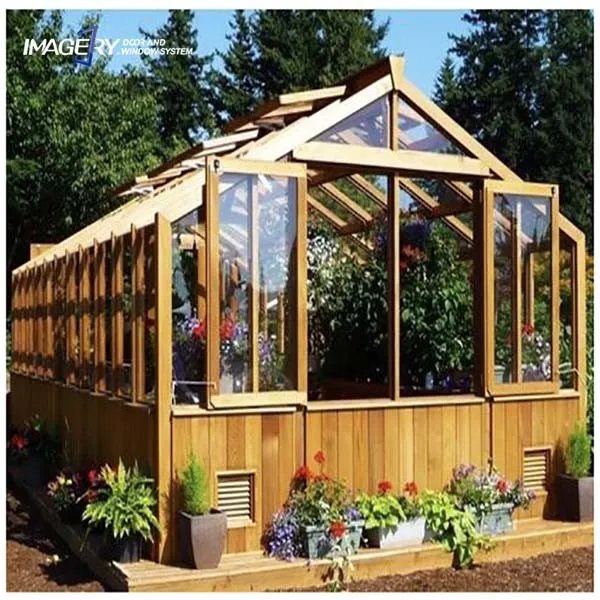
Garden sunrooms are designed to blend seamlessly with the outdoor landscape. They often have floor-to-ceiling windows and doors that open onto a patio or deck, allowing for easy access to the outdoors. These rooms are perfect for enjoying a morning cup of coffee or afternoon tea while taking in the beauty of nature.
Screened porch sunrooms
Screened porch sunrooms are similar to traditional porches, but with the addition of glass windows and screens. These rooms provide protection from bugs and other pests, while still allowing for plenty of fresh air and natural light. They are ideal for use as a casual dining area or relaxation spot.
Glass sunrooms
Glass sunrooms, also known as glazed sunrooms, are made entirely of glass, allowing for maximum light exposure and transparency. These rooms are often used as art studios or hobby rooms, providing a bright and inspiring space to work and create.
How to Store Sunroom


Assess the components
The first step in storing a sunroom is to assess all of the components. This includes the walls, roof, flooring, and any additional accessories such as furniture or window treatments. Make sure to note the size and weight of each component to determine the best storage method.
Choose the right storage location
The storage location should be dry, clean, and well-ventilated to prevent mold and mildew growth. It's important to choose a location that is large enough to accommodate all of the sunroom components, while also providing easy access for future use.
Prepare the components for storage
Before storing the sunroom components, it's important to prepare them for long-term storage. This may include covering the walls and roof with a tarp or plastic sheeting to protect against moisture and dust. Additionally, any loose items such as screws or hardware should be stored in a labeled container to prevent loss.
Organize the components
To make it easier to put the sunroom back together, it's important to organize the components before storing them. This could involve labeling each component with a number or letter and creating a diagram to show how everything fits together. It's also helpful to group similar items together, such as screws and nails.
Secure the components
Once the components are organized, it's important to secure them to prevent shifting and damage during storage. This could involve using tie-downs or straps to keep the walls and roof in place, or stacking heavy components on top of lighter ones.
Inspect the components regularly
Even with careful preparation and storage, it's still a good idea to inspect the sunroom components regularly to ensure they are still in good condition. Check for signs of damage or wear and tear, and address any issues promptly to prevent further damage.
Application of Sunroom
Living space
Sunrooms can serve as additional living space in a home. They can be furnished with comfortable seating, coffee tables, and even dining tables and chairs. This space can be used for relaxation, reading, or enjoying a meal. The abundance of natural light makes sunrooms feel bright, airy, and inviting.
Entertainment space
Sunrooms can also be used as entertainment spaces. They can be set up with game tables, TVs, or musical instruments to create a fun and lively atmosphere. The added benefit of natural light can create a unique and enjoyable setting for gatherings and events.
Gardening room
Sunrooms can be transformed into gardening rooms, providing a space for growing plants year-round. With the right temperature and lighting, a sunroom can accommodate a variety of plants, making it a perfect indoor garden.
Office/Study
Sunrooms can also serve as an office or study. The natural light can help reduce eye strain and increase productivity. It can be decorated with bookshelves, desks, and other office essentials to create a functional workspace.
Guest room
Sunrooms can also be used as guest rooms. They can be furnished with a bed, nightstand, and other necessary furniture to accommodate guests. The natural light and serene environment can make sunrooms a pleasant place to stay.
Exercise room
Sunrooms can also be converted into exercise rooms. They can be equipped with workout equipment like treadmills, elliptical trainers, yoga mats, and other fitness accessories. The natural light can enhance the mood and motivation during workouts.
Playroom
For families with children, a sunroom can serve as a playroom. The room can be filled with toys, games, and other activities that kids love. The natural light and warmth can create a cheerful and inviting atmosphere for children to play and learn.
Sitting room
A sunroom can also serve as a sitting room, a quiet and cozy space to relax and unwind. It can be furnished with comfortable seating, a coffee table, and a few decorative pieces to create a peaceful retreat.
Precautions When Using Sunroom
Temperature control
Sunrooms can get very hot, especially during the summer months. It's important to have proper temperature control measures in place to avoid overheating. Consider installing blinds or curtains to block out the sun's rays, or invest in a fan or air conditioning unit to keep the room cool.
Ventilation
Good ventilation is key to preventing mold and mildew growth in your sunroom. Make sure there are adequate windows or vents that can be opened to allow fresh air to circulate.
Furniture selection
When choosing furniture for your sunroom, opt for pieces that are designed for outdoor use. These furnishings are more durable and can withstand the elements better than traditional indoor furniture.
Electrical wiring
If you plan on using electronics or appliances in your sunroom, make sure the wiring is done properly and up to code. Never run electrical cords under carpets or rugs, as this can pose a fire hazard.
Lighting
Consider the type of lighting you'll need in your sunroom. If the room doesn't get much natural light, you may need to install additional lighting fixtures. Be sure to choose lights that are appropriate for outdoor use.
Maintenance
Regular maintenance is key to preserving the beauty and functionality of your sunroom. Clean the room regularly, paying special attention to windows, doors, and other surfaces that can attract dust and dirt. Inspect the roof and walls regularly for signs of damage or leaks.
How Do I Choose the Right Sunroom
Style
Sunrooms come in a variety of styles, from traditional to contemporary. Consider the style of your home and choose a sunroom that complements its architecture and design. You may want to opt for a more classic design if your home has historical elements, while a sleek and modern sunroom may be the perfect fit for a contemporary property.
Size
The size of your sunroom will depend on the available space in your yard or on your deck. It's important to choose a size that fits comfortably within your outdoor space and allows for plenty of natural light to enter. Keep in mind that a larger sunroom may require more extensive building permits and additional costs for installation.

Materials
Sunrooms can be constructed using a range of materials, including glass, plastic, and metal. Glass sunrooms offer the most natural light and are ideal for areas with limited sunlight, while plastic and metal sunrooms are more affordable and offer durability. Consider the climate where you live and choose a material that can withstand extreme temperatures and weather conditions.
Function
Determine what you plan to use your sunroom for before making a selection. If you want to use it as a dining area, make sure there is enough space for a dining table and chairs. If you plan to use it as a relaxation area, choose comfortable furniture and cozy lighting. Consider adding heating and cooling systems to make your sunroom a four-season room.
Production Methods of Sunroom
Prefabricated sunrooms
Prefabricated sunrooms are manufactured in a factory and then transported to the job site for installation. These sunrooms are typically made of aluminum frames and glass or plastic panels. The advantage of prefabricated sunrooms is that they are easy to install and can be customized to fit a variety of budgets and design preferences.
Site-built sunrooms
Site-built sunrooms are constructed on-site using materials such as wood, vinyl, or fiberglass. These sunrooms are typically more expensive than prefabricated sunrooms but offer more flexibility in terms of design and customization options.
Hybrid sunrooms
Hybrid sunrooms combine elements of both prefabricated and site-built sunrooms. These sunrooms are typically built using a combination of aluminum frames and custom-made wood panels. The advantage of hybrid sunrooms is that they offer the best of both worlds – the convenience and affordability of prefabricated sunrooms with the flexibility and customization options of site-built sunrooms.
Solarium sunrooms
Solarium sunrooms are similar to hybrid sunrooms but typically feature more glass panels and a more complex design. These sunrooms are often used as a greenhouse or conservatory and are typically more expensive than other types of sunrooms.
What Is Sunroom Made Of?
Glass
Glass is the most common material used in sunroom construction. It allows for an abundance of natural light to enter the room and provides stunning views of the outdoors. Tempered glass is often used due to its strength and safety features.
01
Plastic
Plastic is another popular material used in sunroom construction. It is more affordable than glass and offers durability and resistance to extreme weather conditions. Polycarbonate and acrylic are two types of plastic commonly used in sunroom construction.
02
Metal
Metal is often used in conjunction with other materials in sunroom construction, particularly in support structures and framing. Aluminum is a popular choice due to its strength, durability, and resistance to rust and corrosion.
03
Wood
Wood is a classic material used in sunroom construction and provides a warm and inviting atmosphere. Pressure-treated wood is often used to prevent decay and insect damage.
04
Vinyl
Vinyl is a versatile material used in sunroom construction and can be used for windows, doors, and walls. It is affordable, easy to maintain, and offers resistance to extreme weather conditions.
05
What Are the Components of a Sunroom?
Framing
The framing is the structural foundation of the sunroom. It provides support for the walls, floor, and ceiling. The framing material can vary depending on the desired level of durability and aesthetics. Popular framing materials include wood, aluminum, and vinyl.
Glass walls
Glass walls are a defining characteristic of a sunroom. They allow plenty of natural light to enter the room while providing unobstructed views of the outdoors. The type of glass used can vary depending on the desired level of insulation and energy efficiency. Double-paned or triple-paned glass is commonly used to minimize heat loss during cold weather.
Roof
The roof of a sunroom can vary in style and material depending on the desired aesthetic and functionality. Popular roof styles include gable, flat, and sloped. The roofing material can vary from glass to plastic to metal, each with its advantages and disadvantages in terms of insulation, durability, and maintenance.
Flooring
The flooring material used in a sunroom can vary depending on the desired level of comfort and durability. Popular flooring options include carpet, tile, and laminate. It's important to choose a flooring material that can withstand high traffic and direct sunlight exposure.
Windows
Windows are another essential component of a sunroom. They allow additional natural light to enter the room and provide ventilation. The type of windows used can vary depending on the desired level of insulation and energy efficiency. Popular window styles include double-hung, casement, and sliding.
Lighting
Lighting is an important component of a sunroom, especially if it is intended to be used as a living space. Natural light is typically sufficient during the daytime, but additional lighting may be necessary in the evenings or on cloudy days. Recessed lights, chandeliers, sconces, and lamps are all popular lighting options for sunrooms.
Furniture
Furniture is an essential component of a sunroom, especially if it is intended to be used as a living space. Comfortable furniture, such as sofas, chairs, and coffee tables, are necessary for relaxing and entertaining guests. It's important to choose furniture that is suitable for the sunroom's climate and can withstand direct sunlight exposure.
Can a Sunroom Be Used as a Greenhouse for Plants?
Yes, a sunroom can indeed be used as a greenhouse for plants. Sunrooms, also known as solariums or conservatories, are designed to capture sunlight and provide warmth and humidity, making them ideal for growing plants. One of the primary benefits of using a sunroom as a greenhouse is the abundance of natural light. Sunrooms are typically built with glass walls and roofs that allow maximum sunlight to enter the room. This light is crucial for plant growth, as it helps them undergo photosynthesis, which is necessary for their survival. Sunrooms often have heating systems that can maintain a consistent temperature, which is essential for plant growth. In the colder months, the sunroom's glass walls and roof can trap heat, creating a warm environment for the plants. In the warmer months, the glass can help keep the room cool by allowing the heat to escape. Plants require a certain level of humidity to thrive, and sunrooms can provide this by trapping moisture inside. The sunroom's glass walls and roof can create a microclimate that maintains the right level of humidity for the plants. When using a sunroom as a greenhouse, it's important to select plants that are suitable for the space. Some plants require more light or humidity than others, so it's important to choose plants that can thrive in the sunroom's conditions. Succulents, herbs, and tropical plants are all great options for a sunroom greenhouse. To ensure the plants in the sunroom greenhouse thrive, it's important to maintain the space regularly. This includes watering the plants, cleaning the glass walls and roof to maximize light transmission, and trimming any excess foliage. It's also important to monitor the temperature and humidity levels to ensure they remain within the optimal range for plant growth.
Can a Sunroom Be Used as a Relaxation or Meditation Space?
Absolutely, a sunroom can be the perfect place to relax and meditate. Sunrooms are designed to capture natural light, creating a warm and inviting atmosphere that promotes relaxation. Sunrooms are typically filled with windows that allow an abundance of natural light to enter the room. This can create a bright, cheerful space that promotes a sense of well-being and relaxation. The natural light can also help regulate your body's circadian rhythm, promoting better sleep and overall health. Sunrooms are often designed to maximize comfort, with features like comfortable seating, soft rugs, and even heating elements if needed. You can customize your sunroom with calming colors, cozy furniture, and other decor items to make it your personal oasis of tranquility. Sunrooms provide a direct connection to the outdoors, allowing you to enjoy the beauty of plants, flowers, and wildlife without leaving the comfort of your home. This can help promote feelings of peace and calmness, making it an ideal space for meditation or mindfulness practice. Sunrooms can be used for a variety of activities, from reading a book to practicing yoga or enjoying a cup of tea. The flexibility of a sunroom means you can use it in different ways depending on your mood or activity preference. Meditation has been shown to have numerous benefits, including reducing stress and anxiety, improving focus and concentration, and boosting overall mental and physical health. Having a dedicated space like a sunroom can help you establish a consistent meditation practice and reap these benefits.
Our factory
Shandong Imagery Aluminum Technology Co., LTD. has been established in 2013 and had a registered capital of RMB 30 million yuan, which is one of the China's largest manufacturers of windows and doors, with the total high-quality windows and doors,curtain walls sales volume of 600,000 square meters per year. Shandong Imagery Aluminum Technology Co., LTD is affiliated to Shandong Jinxiang Aluminum Group ,which has been founded in 1999 and had a registered capital of RMB 160 million yuan.
Certificate



FAQ
We're well-known as one of the leading sunroom manufacturers in China. Please feel free to wholesale discount sunroom made in China here and get free sample from our factory. Also, customized service is available.
Sunrooms Glass Houses Aluminium Slant, Aluminum Frame Glass Sunroom, Sunroom